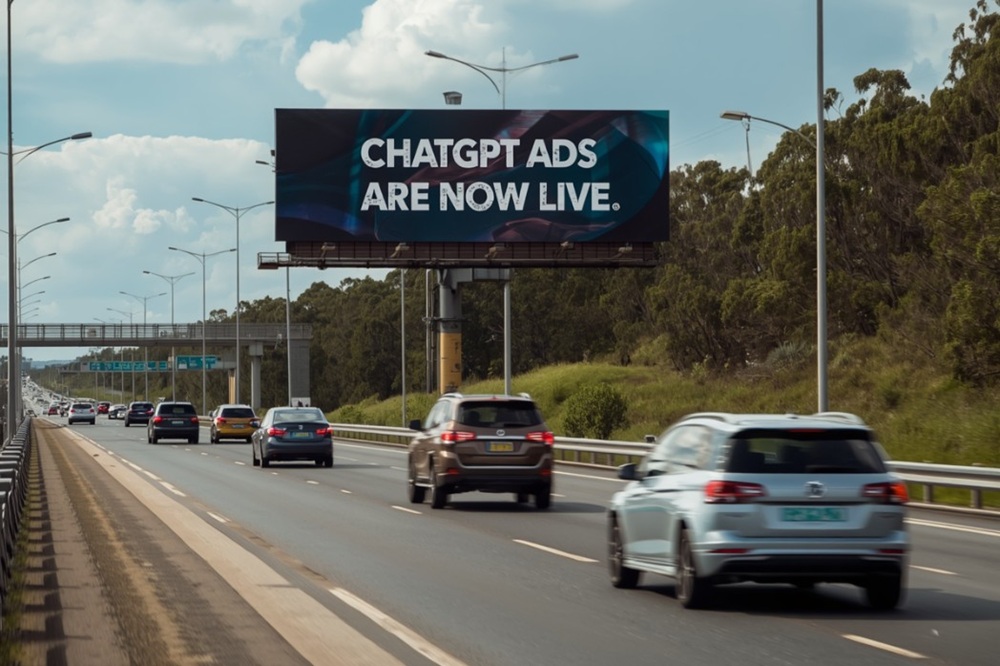
Artificial intelligence just got a lot more commercial. OpenAI has officially begun rolling out advertising inside ChatGPT, marking one of the most significant shifts in the AI landscape since the chatbot’s launch in 2022. If you’ve recently received an email from OpenAI updating their Privacy Policy, here’s everything you need to know about what’s changing — and what isn’t.
What OpenAI’s Privacy Policy Update Actually Says
OpenAI’s updated Privacy Policy confirms that ads will appear for users on the Free and Go plans, while Plus, Pro, Enterprise, Business, and Education subscribers will remain ad-free. Crucially, ads do not influence the answers ChatGPT gives you – answers are optimised based on what’s most helpful, not what advertisers pay for.
When ads do appear, they’ll be clearly labelled as sponsored and visually separated from organic responses. Personalisation works using information that stays within ChatGPT — such as your conversation context and past ad interactions — and your conversations with ChatGPT are kept private from advertisers, and OpenAI will never sell your data to advertisers. OpenAI Users can manage or turn off ad personalisation at any time through settings.
Why Is OpenAI Doing This Now?
The short answer: money. Despite achieving $12.7 billion in annual recurring revenue in 2025, OpenAI posted cumulative losses exceeding $13.5 billion in the first half of 2025 alone. European Business Magazine Running cutting-edge AI infrastructure is extraordinarily expensive, and subscriptions alone aren’t enough to cover it.
Introducing ads to ChatGPT could help OpenAI meet its ambitious spending commitments, as digital advertising has long been the cash cow for other big tech companies like Google and Meta. CNBC CEO Sam Altman had previously expressed reservations about ads eroding user trust, but the financial reality has clearly won out.
How the Ads Actually Work
Advertisements appear at the bottom of answers in ChatGPT when there’s a relevant sponsored product or service based on your current conversation. So if you’re asking ChatGPT for dinner recipe ideas, don’t be surprised to see a meal kit delivery service pop up below the answer.
Users will be able to view their ad interaction history, clear it at any time, dismiss ads, provide feedback, see why they were shown an ad, and manage personalisation settings. OpenAI has also committed to keeping ads away from sensitive topics — ads will not appear in chats about mental health, politics, or other sensitive subjects, and users under 18 will not be shown ads.
What This Means for the Broader AI Industry
ChatGPT’s ad rollout isn’t just an OpenAI story — it signals where the entire AI industry is heading. AI-powered advertising is projected to scale from $35 billion (around 8% of US ad revenue) in 2025 to $142 billion by 2030. Brands are already paying attention: Omnicom Media confirmed that more than 30 of its clients are participating in the OpenAI Ad Pilot Program, spanning multiple consumer categories.
For marketers, the opportunity is significant but the rules are different. The old keyword-bid model won’t cut it The Current — ChatGPT users are typically in research or decision-making mode, which makes ad placement feel more like a recommendation than an interruption. However, critics warn that AI companies should be extremely careful not to repeat the mistakes made with personalised ads on social media, where eroded trust became a defining issue. It will be up to AI SEO strategists to ensure clients’ answers appear in the organic results, as that will be where the most trust is.
Should You Be Concerned?
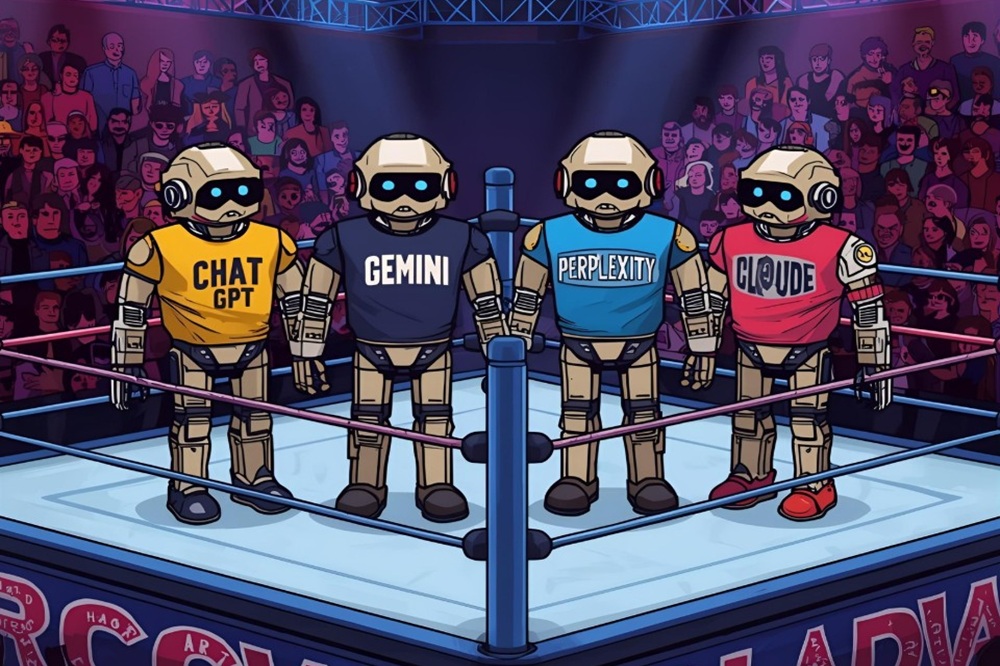
For most users, the practical impact will be minimal — ads appear below answers, not within them, and paid subscribers won’t see them at all. The bigger question is one of trust. OpenAI has staked its reputation on the promise that commercial interests will never influence the quality or neutrality of ChatGPT’s responses. Notably, rival Anthropic even ran Super Bowl ads poking fun at the idea that ads in AI could disrupt the user experience— a sign that competitors see this as both a risk and a point of differentiation.
For now, OpenAI’s approach is more measured than many feared. But as with any new ad platform, the proof will be in the execution.
Share this article
A quick overview of the topics covered in this article.