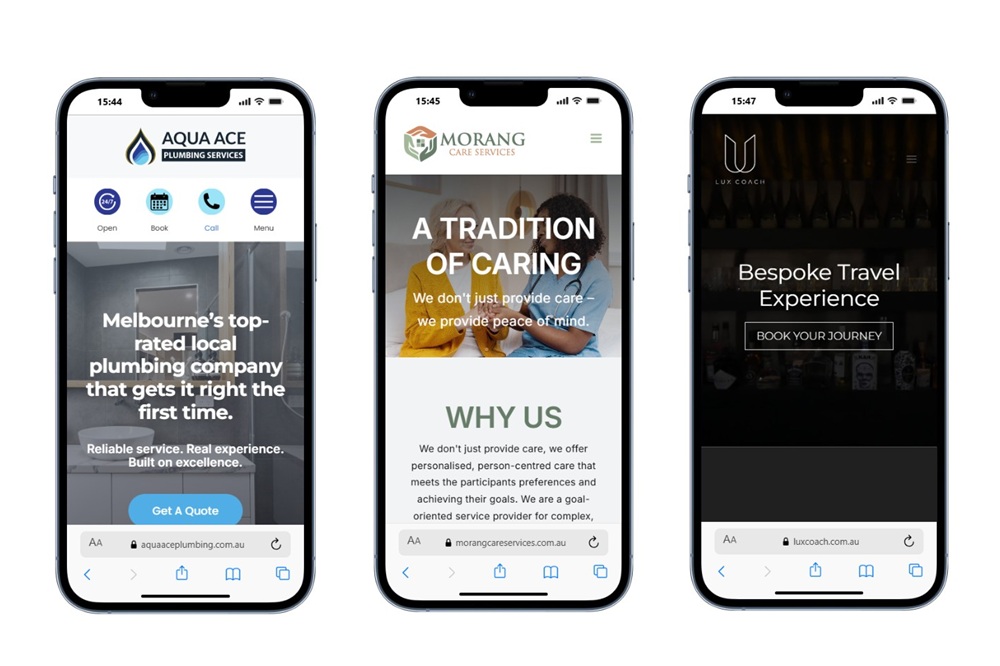
Mobile-First Design: Why Melbourne Businesses Can’t Ignore Mobile Users in 2026
If you’ve ever wondered whether your website is doing enough for your business, the latest website design statistics in Australia reveal a clear message: people form their opinions about your brand long before they read a single sentence. In 2026, design, speed, and usability have become the new language of trust. Customers across Australia — especially in Melbourne — expect websites that feel clear, polished, and effortless to use from the moment the page loads. This guide brings together up-to-date Australian and global data, combined with real-world insights for Melbourne business owners who want a website that reflects the quality of their work. Whether you run a service business, a local shop, a clinic, or a consultancy, the numbers show that your website is now one of the strongest indicators of credibility. And when your website isn’t pulling its weight, customers feel it instantly.
Key Takeaways
- Australia’s digital landscape is overwhelmingly mobile-first, with over 60% of website traffic coming from smartphones. A poor mobile web design can immediately cost you customers.
- Website speed is a major factor in conversions; even a one-second delay can noticeably reduce enquiries and sales.
- Users form opinions about credibility in milliseconds based on design, making a professional website a vital trust indicator.
- In 2026, mobile web design trends focus on AI personalisation, thumb-friendly layouts for one-handed use, and performance-driven minimalism.
- Integrating design with AI-driven search optimisation is now essential for visibility, ensuring your website is understood by both users and search engines.
Embracing Mobile-First: The New Standard for Melbourne Businesses
Australia’s Mobile-Centric Digital Landscape
It’s no longer a question of if your customers are on their phones, but how they’re using them to find businesses like yours. Across Australia, mobile devices are the primary gateway to the digital world. Think about it: people are checking services on their commute, during a quick coffee break, or while waiting for an appointment. This isn’t a niche behaviour; it’s the norm. Over 60% of all website traffic now originates from a mobile device. If your business isn’t designed with this in mind from the ground up, you’re effectively invisible to a huge portion of your potential clientele.
The Direct Impact of Mobile Experience on Customer Trust
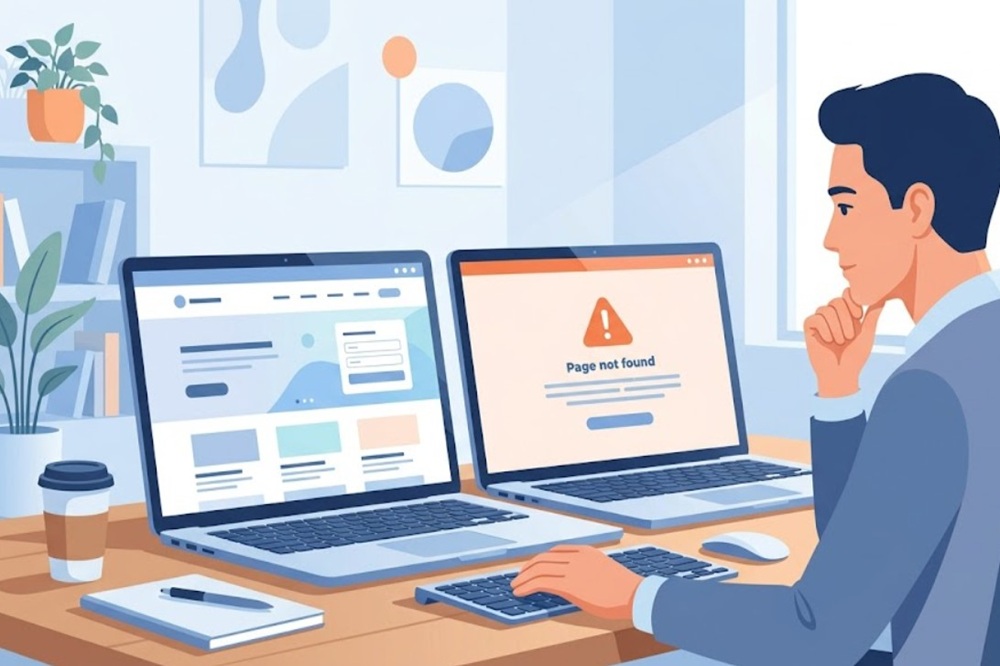
Your website’s mobile performance isn’t just about aesthetics; it’s a direct reflection of your business’s professionalism and reliability. Studies show that a staggering 57% of Australians will simply not recommend a business if their mobile website experience is poor. This means slow load times, text that’s too small to read, or menus that are a pain to navigate can actively drive customers away. In a city like Melbourne, where consumers have countless options at their fingertips, a clunky mobile site creates instant doubt. It suggests a lack of attention to detail, which can easily translate into a perception that your core services might be similarly lacking.
First impressions are formed in milliseconds, and on mobile, this judgement is heavily weighted towards usability and speed. A website that feels sluggish or difficult to use on a phone is often abandoned before a user even considers your content.
Why Mobile Isn’t Secondary Anymore
For too long, many businesses treated their mobile website as an afterthought, a scaled-down version of their desktop site. That approach is now outdated. Mobile-first design means prioritising the mobile user experience from the very beginning. This isn’t just about making your site ‘responsive’; it’s about fundamentally designing for the way people actually use their phones today. Our web design agency embraces factors such as thumb-friendly navigation, clear calls to action, and content that’s easily digestible on a smaller screen.
In 2026, your mobile presence is your primary digital storefront. If it’s not performing optimally, you’re missing out on valuable connections and potential business.
Performance and Usability: The Cornerstones of Effective Mobile Web Design
In today’s fast-paced digital world, especially for businesses in Melbourne, how your website performs and how easy it is to use on a mobile device are no longer afterthoughts; they are absolutely critical. Users expect instant gratification, and a slow or confusing mobile experience can mean lost opportunities before you even have a chance to make an impression.
Speed as a Critical Conversion Factor
Think about your own online habits. When you’re on your phone, perhaps waiting for a tram in the city or grabbing a coffee, you want information quickly. If a website takes too long to load – even just a few extra seconds – you’re likely to hit the back button and try somewhere else. For Australian consumers, this impatience is a well-documented reality. Studies show that a delay of just one second can significantly impact conversion rates. This isn’t about minor inconveniences; it’s about direct revenue loss. Heavy images, unoptimised code, and bloated scripts are the silent killers of mobile conversions. Your website needs to be lean and mean, built for speed.
Designing for Effortless Navigation and Readability
Beyond just loading quickly, your mobile site must be a breeze to navigate. This means designing with the primary interaction method in mind: the thumb. Buttons and links need to be large enough and spaced adequately to be tapped accurately without accidental clicks. Content should be broken down into short, digestible paragraphs with clear headings. This allows users to scan information rapidly and find what they need without frustration. Imagine trying to read a dense block of text on a small screen, or fumbling to tap a tiny link – it’s an experience that breeds annoyance, not engagement. A well-structured mobile site feels intuitive, guiding users naturally through your offerings.
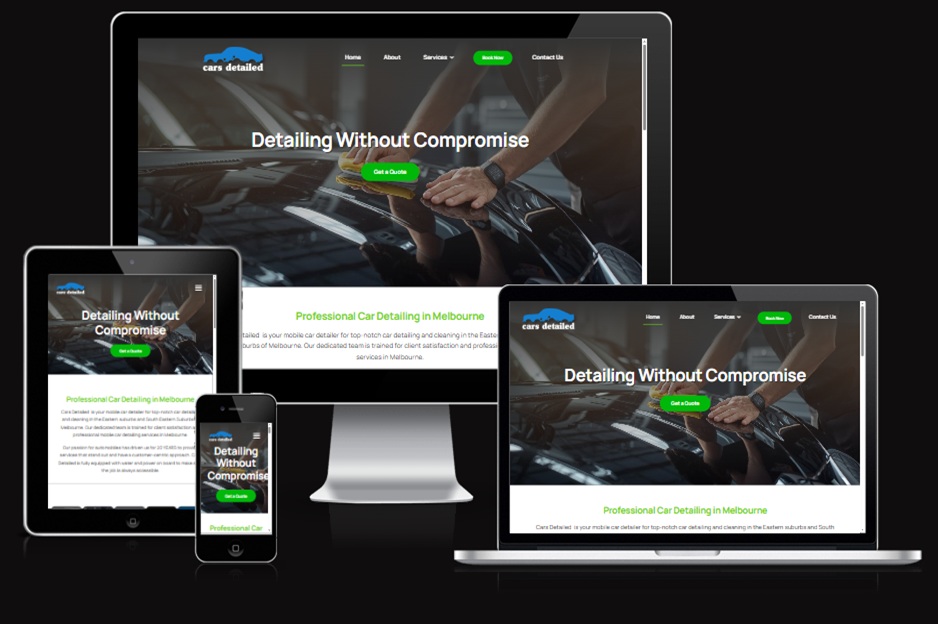
Eliminating Friction for a Seamless User Journey
Friction on a website is anything that slows down or confuses the user. This could be a complicated form, unclear calls to action, or information that’s hard to find. For Melbourne businesses aiming to connect with a mobile-first audience, removing these roadblocks is paramount. Every extra step a user has to take, or every moment of uncertainty they experience, increases the chance they’ll abandon your site. The goal is to create a smooth, almost invisible journey from the moment they land on your page to the moment they complete a desired action, whether that’s making an enquiry, booking an appointment, or making a purchase. This focus on usability builds trust and encourages repeat visits.
The digital handshake happens on mobile. If that handshake is clumsy or slow, the potential customer walks away before the conversation even begins. Prioritising speed and ease of use isn’t just good practice; it’s a fundamental requirement for earning and keeping customer attention in 2026.
The Evolving Role of Website Design in Building Business Credibility
First Impressions Formed in Milliseconds
When someone lands on your website, they’re making a snap judgment. We’re talking about milliseconds here. It’s not about deep analysis; it’s an instinctive reaction. Think about it: have you ever visited a site that just felt… off? Cluttered, slow, or just plain outdated? That gut feeling is exactly what your potential customers experience. For businesses in Melbourne, where competition is fierce across almost every sector, this initial impression is incredibly important. It’s the digital handshake, and if it’s weak, they might just move on.
Design as a Trust Indicator for Australian Consumers
Australians, like many consumers, place a lot of weight on how a business presents itself online. Research shows a significant percentage of users judge a company’s credibility based purely on its website. A professional, well-maintained site signals that you take your business seriously. It suggests you’re organised, up-to-date, and invested in providing a good experience. Conversely, a poorly designed or neglected website can quietly communicate that your business might be too. This is especially true when you consider that most businesses update their websites every few years to keep up with expectations.
Bridging the Gap for Businesses Without a Professional Website
It might surprise you, but a notable portion of Australian small businesses still operate without a dedicated website. Many rely solely on social media profiles or online directories. While these can be useful, they don’t offer the same level of control or credibility as a professional website. For Melbourne businesses looking to stand out, having a well-crafted online presence is a clear advantage. It provides a central hub for information, showcases your work, and builds a foundation of trust that simply isn’t possible through other channels alone. It’s about creating a digital storefront that reflects the quality and professionalism of your actual business.
Key Trends Shaping Mobile Web Design in 2026
The digital landscape is shifting, and by 2026, how your Melbourne business presents itself online, especially on mobile, will be a major factor in your success. It’s not just about having a website anymore; it’s about how that website performs and feels to your customers. We’re seeing a clear move towards designs that are smarter, faster, and more considerate of the user.
AI-Assisted Personalisation for Enhanced Relevance
Forget the intrusive pop-ups of the past. In 2026, AI is quietly working behind the scenes to make your website feel more relevant to each visitor. Think of it as a helpful assistant that understands why someone is on your site and shows them what they need, without them having to search for it. For a business in Melbourne, this could mean showing local case studies to a visitor from the city, or highlighting services most relevant to someone who has visited before. The goal is to reduce friction and make the user’s journey feel natural and intuitive. This isn’t about overwhelming users with options; it’s about presenting the right information at the right time, making your site feel like it truly understands their needs.
Thumb-Friendly Design for One-Handed Browsing
Most Australians now browse the web on their phones, and often, they’re doing it with just one hand. This simple fact has big implications for design. By 2026, websites need to be built with this in mind. Buttons and links should be easy to tap with a thumb, content needs to be broken into short, scannable paragraphs, and important actions should be readily accessible. It’s about making the experience feel comfortable and effortless, even when someone is on the go.

- Navigation elements placed within easy thumb reach.
- Generous spacing between tappable items to avoid accidental clicks.
- Clear, concise headings and short sentences for quick reading.
Performance-Driven Minimalism for Clarity and Speed
Minimalism in web design has evolved. It’s no longer just about a clean aesthetic; it’s about speed and clarity. By 2026, a minimalist approach means stripping away anything that doesn’t directly help the user. This leads to faster loading times, which are critical for keeping visitors engaged. A fast, uncluttered website not only looks professional but also builds trust. It shows that you respect your customers’ time and have a well-organised digital presence.
The focus is on intentional design, where every element serves a purpose, contributing to a clear message and a swift user experience. This approach helps visitors quickly understand what your business offers and what they should do next.
Accessibility and Inclusivity in Modern Web Design
Ensuring Websites Work for All Users
When you’re thinking about your business’s online presence in Melbourne, it’s easy to focus on the shiny new features. But what about making sure everyone can actually use your website? Accessibility isn’t just a nice-to-have; it’s about making your digital doors open to a much wider audience. Think about it: one in six Australians lives with some form of disability. If your website isn’t built with them in mind, you’re potentially missing out on a significant chunk of customers. This isn’t just about screen readers for visually impaired users, though that’s important. It also covers people with motor difficulties who might struggle with small buttons, or even someone trying to use your site in bright sunlight with glare on their screen. Designing for accessibility means designing for clarity and ease of use for everyone.
The Growing Expectation of Accessible Online Experiences
Customers today expect a certain standard. They’re used to websites that are easy to navigate, where text is readable, and information is presented logically. If your site feels like a puzzle, or if certain elements are just impossible to interact with on a mobile device while you’re on the go in Melbourne, people won’t stick around. They’ll just find a competitor who makes things easier.
Here’s what makes a website accessible and user-friendly:
- Clear Contrast: Text should stand out well against its background, making it easier to read for people with visual impairments and reducing eye strain for all users.
- Readable Font Sizes: Text needs to be a decent size, and ideally, users should be able to adjust it if needed. Tiny text on a small screen is a recipe for frustration.
- Logical Structure: Using headings and subheadings correctly helps users (and search engines) understand the content’s flow. It’s like a roadmap for your website.
- Easy-to-Use Controls: Buttons and links should be large enough to tap easily with a finger, especially on mobile. They also need to be clearly identifiable.
- Keyboard Navigation: Your site should be fully usable without a mouse. This is vital for many users and also helps with SEO.
Building an accessible website isn’t just about compliance; it’s about demonstrating care and professionalism. It shows potential customers that you’ve thought about their needs, which builds trust and credibility. In a competitive market like Melbourne’s, this attention to detail can make a real difference.
When your website is accessible, it often performs better in search results too. Search engines favour sites that are well-structured and easy for both humans and algorithms to understand. This means clearer content, better organisation, and ultimately, more visibility for your Melbourne business.
The Business Advantage of Superior Mobile Web Design
Converting Visitors into Engaged Customers
In today’s fast-paced digital world, your website is often the first point of contact a potential customer has with your Melbourne business. If that initial interaction on a mobile device feels clunky or slow, you’re likely losing them before they even get a chance to understand what you offer. A well-designed mobile experience, however, does the opposite. It guides visitors smoothly, answers their questions quickly, and makes it easy for them to take the next step, whether that’s making an enquiry, booking a service, or making a purchase.
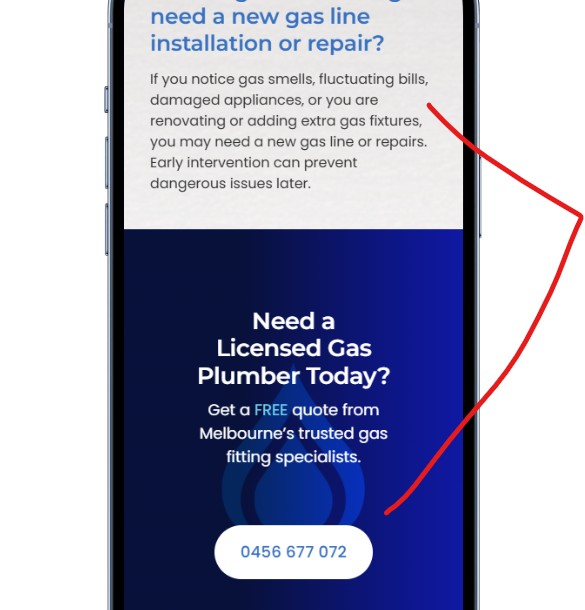
This ease of interaction directly translates into higher conversion rates.
Standing Out in Melbourne’s Competitive Market
Melbourne is a vibrant, bustling city with a highly competitive business landscape. In this environment, a superior mobile web design isn’t just a nice-to-have; it’s a significant differentiator. When potential customers are comparing your business against others, often on their phones while on the go, a professional, fast, and user-friendly website makes a powerful statement. It signals that you are a modern, customer-focused business that values their time and experience. This can be the deciding factor that leads them to choose you over a competitor.

Building Lasting Customer Relationships Through Design
Trust is the bedrock of any successful business relationship. Your website’s design plays a critical role in building that trust from the outset. A clean, intuitive, and accessible mobile site communicates professionalism and reliability. When users have a positive experience, they are more likely to feel confident in your business, leading to repeat visits and loyalty. Conversely, a poor mobile experience can erode trust instantly, making it difficult to build any kind of lasting connection. Think of your mobile site as a digital handshake – make it a firm, welcoming one.
Here’s what a strong mobile design helps achieve:
- Increased Engagement: Users spend more time on sites that are easy to use and navigate.
- Higher Enquiry Rates: Clear calls-to-action and simple contact forms make it easier for customers to reach out.
- Improved Brand Perception: A professional mobile site reflects positively on your business’s overall quality and attention to detail.
- Reduced Bounce Rates: Visitors are less likely to leave immediately if the site loads quickly and is easy to browse.
The cost of a subpar mobile experience is often hidden in lost opportunities. Customers expect a certain level of polish and speed, and failing to meet these expectations can silently drive business away.
Navigating the Future: AI-Driven Search and SEO-Integrated Design
Optimising for AI Understanding and Visibility
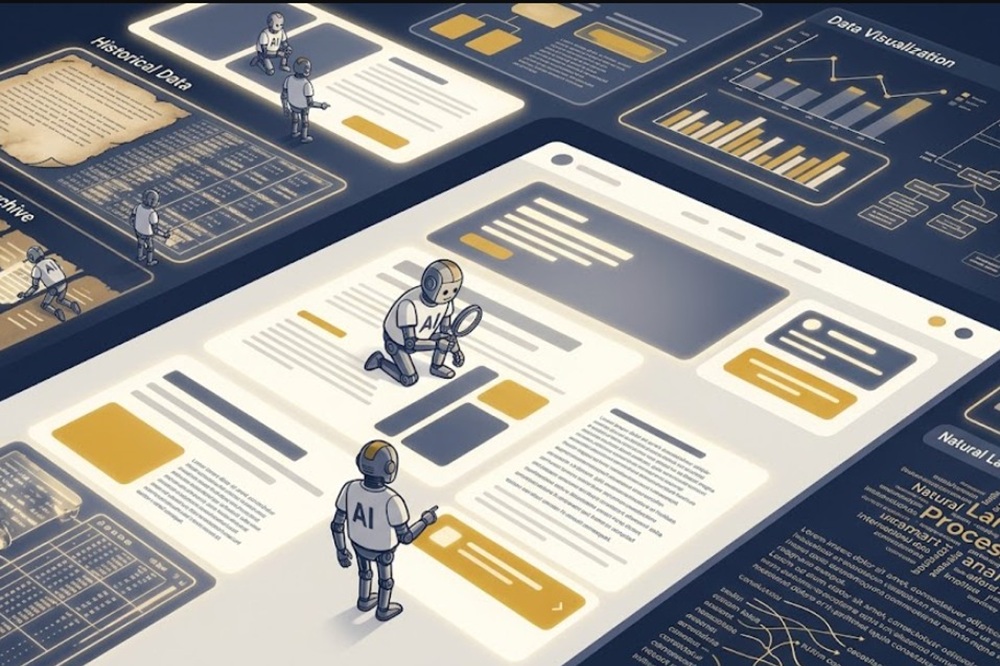
Search engines are getting smarter, and by 2026, AI search is going to play an even bigger role in how people find your business online. Think of it like this: AI systems are trying to understand your website just like a person would, but much faster. This means the way your site is built and organised matters more than ever. Websites that are clear, structured, and easy for AI to read will naturally show up more often. This isn’t about complex tricks; it’s about making your content accessible to these new search tools. We’re talking about things like fast loading speeds, clear headings, and simple language. If your website feels like a jumbled mess to a computer, it’s probably going to feel that way to your customers too.
Structuring Content for Search Engine Comprehension
When you’re planning your website content, remember that structure is key. AI looks for logical flow and clear organisation. This means using headings (H1, H2, H3) correctly to break up information, keeping paragraphs short and to the point, and making sure your main messages are easy to spot. Think about how you’d explain something complex to someone quickly – you’d use clear steps and highlight the important bits. AI search engines appreciate the same approach. Providing direct answers to common questions and using internal links to guide users (and AI) to related information also helps your site get understood better. It’s about making your content work for both humans and the algorithms.
The Synergy Between Design and Search Engine Performance
Design and search engine optimisation (SEO) used to be separate jobs, but in 2026, they’re really two sides of the same coin. The visual appeal of your website, how easy it is to use, and how well it performs technically all feed into how well it ranks. For example, a design that looks great but takes ages to load on a mobile phone in Melbourne will hurt your search rankings. Similarly, if your text is hard to read because of poor colour contrast, both users and AI will struggle. Good design makes your content clear and accessible, which AI search engines favour. This means a well-designed website isn’t just pretty; it’s a powerful tool for getting found online. It’s about creating an experience that’s good for people and good for search engines, all at once.
Your Website: The Digital Handshake for 2026
So, as you can see, your website isn’t just a place to list your services anymore. It’s really the first impression people have of your business, especially here in Melbourne. If it’s clunky on a phone or slow to load, you’re likely losing customers before you even get a chance to talk to them. Making sure your site works well on mobile, loads fast, and is easy to understand isn’t just a nice-to-have; it’s how you build trust and encourage people to get in touch. Think of it as your digital handshake – it needs to be firm, clear, and welcoming. Investing in a website that reflects the quality of your business is a smart move for staying competitive and connecting with today’s customers.
Share this article
A quick overview of the topics covered in this article.
Latest articles
October 5, 2026

October 5, 2026