How Web Design Agencies Approach UX: Our Process from Discovery to Launch
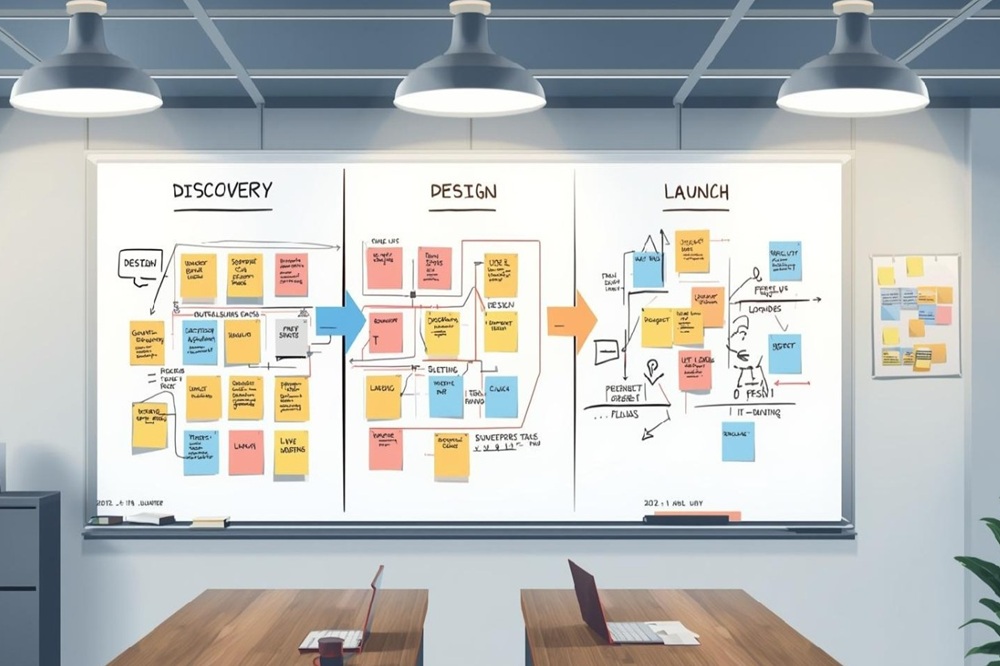
Building a new website can feel like a big mystery, especially if it’s your first time working with a web agency. That’s why we want to pull back the curtain and walk you through our process step by step. From initial discovery to the moment we launch your new site, here is what it’s like to work with us. We focus on web design UX to make sure your site works for you and your customers.
Key Takeaways
- A solid plan is needed before any design work starts. Skipping this means you’re just guessing.
- How a website is structured is as important as how it looks. Users need to find things easily.
- Good design isn’t just about looks; it’s about making things easy and useful for people.
- Content and design need to work together. The words on your site are part of the experience.
- Testing with real people before launching helps catch problems and makes the site better.
Understanding Your Vision: The Discovery Phase
Defining Business Objectives and User Needs
Before we even think about colours or layouts, we need to get a clear picture of what you want to achieve. This means sitting down and really talking about your business goals. What are you trying to do? Who are you trying to reach? We’ll ask a lot of questions to make sure we’re on the same page. It’s not just about building a website; it’s about building a tool that helps your business grow. We also need to understand who your ideal customers are. What do they need? What are they looking for when they come to your site? Getting this right from the start is key. Without a solid understanding of your objectives and your audience, any design work is just guesswork.
Uncovering User Pain Points and Opportunities
Once we know your goals, we dig into the user’s side of things. What frustrates people when they try to do what you want them to do? Where are they getting stuck? We look for these pain points because fixing them is where the real value lies. It’s also about spotting opportunities – things that could make their experience much better, things they might not even know they need yet. We might use surveys, interviews, or even just observe how people interact with similar sites. This helps us find those little details that can make a big difference.

Establishing Project Goals and Success Metrics
Finally, we need to agree on what success looks like. How will we know if the website is doing its job? We’ll work with you to set clear, measurable goals. This could be anything from increasing sales by a certain percentage, getting more people to sign up for a newsletter, or reducing the number of customer support calls. We’ll define the key performance indicators (KPIs) that we’ll track. This way, we can all see the progress and know that the project is heading in the right direction.
Here’s a look at common success metrics we establish:
- Conversion Rate
- User Engagement (e.g., time on site, pages per session)
- Bounce Rate
- Customer Satisfaction Scores
- Lead Generation Volume
Structuring for Success: Information Architecture and Site Planning
Developing Comprehensive Site Maps
Before we even think about colours or fonts, we need to build the blueprint for your website. This is where we create a detailed site map. Think of it as the organisational chart for your entire online presence. It shows every single page, how they connect, and the hierarchy of information. A well-structured site map is the backbone of a positive user experience, ensuring visitors can find what they need without frustration. We map out the logical flow, making sure that related content is easily discoverable and that the overall structure supports your business objectives. It’s about making sure the digital pathways are clear and intuitive for everyone who visits.
Mapping User Journeys and Conversion Paths
Once we have the site structure laid out, we zoom in on how your actual users will move through it. We map out user journeys – the typical paths a visitor might take from landing on your site to achieving a specific goal, like making a purchase or filling out a contact form. This involves understanding their motivations and potential roadblocks. We identify key conversion points and design the journey to guide users smoothly towards those actions. This isn’t guesswork; it’s about anticipating user behaviour and optimising the flow to encourage desired outcomes. It’s about making sure the website works for your business goals and your audience’s needs.
Creating Foundational Wireframes
With the site map and user journeys defined, we move to wireframing. These are essentially the skeletal outlines of your web pages. Wireframes focus purely on layout, content placement, and functionality, stripping away all visual design elements. They show where buttons will go, how text will be organised, and where images or other media will sit. This stage is critical for visualising the user interface and interaction design before any aesthetic decisions are made. It allows us to test the fundamental structure and usability, making sure the core components are in the right place and serve their intended purpose. It’s like an architect’s blueprint – you wouldn’t pick paint colours before the walls are up, and we don’t pick colours before the layout is solid.

Crafting Engaging Experiences: UX and UI Design
Visualising User Flows and Interactions
This is where we start to see the website take shape, not just as a collection of pages, but as a journey for your visitors. We map out how someone will move through your site, from their initial click to achieving their goal – whether that’s making a purchase, filling out a form, or finding specific information. Think of it like planning a route for a visitor; we want to make it as direct and pleasant as possible, avoiding any confusing detours or dead ends. We look at every possible interaction, from simple button clicks to more complex form submissions, to make sure each step feels natural and logical.
The goal is to create an experience that feels intuitive, almost like the website knows what your visitors need before they do.
Applying Branding and Aesthetic Principles
Now, we infuse your brand’s personality into the design. This isn’t just about making things look pretty; it’s about creating a consistent and recognisable identity that builds trust and connection with your audience. We carefully select colours, typography, imagery, and other visual elements that align with your brand guidelines and speak to your target market. A strong visual identity helps your website stand out and reinforces your message. It’s about making sure that every visual choice supports your overall business objectives and creates a memorable impression.
Ensuring Usability and Intuitive Navigation
This is where we focus on making the website easy and enjoyable to use for everyone. We consider how users will find what they’re looking for, how they’ll interact with different elements, and how quickly they can accomplish their tasks. This involves creating clear navigation menus, logical page structures, and easily identifiable calls to action. We want to remove any friction points, so visitors can effortlessly move through the site and achieve their objectives without frustration. A well-designed user interface means less time spent figuring things out and more time spent engaging with your content or services. It’s about making the digital experience feel effortless and efficient.
The Power of Words: Content Strategy and Integration
Aligning Content with Design Objectives
Think of your website’s content as the voice of your business. It’s not just about filling space; it’s about communicating your message clearly and persuasively. When we begin a project, we don’t see content as an afterthought. Instead, we integrate it from the very start, making sure the words on the page work hand-in-hand with the visual design. This means understanding what you want your website to achieve – whether it’s generating leads, selling products, or building brand awareness – and then crafting content that directly supports those goals. We look at how the design elements, like buttons and calls to action, will guide the user, and then write copy that makes those actions feel natural and compelling. It’s about creating a unified experience where design and text work together to guide your visitors effectively.
Developing a Compelling Brand Voice
Your brand voice is what makes you unique. It’s the personality that comes through in every interaction your customers have with you. We work with you to define this voice, ensuring it’s consistent across all your digital platforms. Are you formal and authoritative, or friendly and approachable? Do you use humour, or are you more serious and informative? We help you pinpoint these characteristics and translate them into written content that feels authentic to your brand. This isn’t just about sounding good; it’s about building trust and connection with your audience. A well-defined brand voice makes your business memorable and relatable.
Planning Content for User Engagement
Great content doesn’t just sit there; it actively engages your audience. We plan content with the user’s journey in mind. This involves thinking about what information your visitors need at each stage, from their first impression to their final decision. We consider:
- Headlines: Catchy and informative, drawing users in.
- Body Copy: Clear, benefit-driven explanations that address user needs.
- Calls to Action (CTAs): Directing users towards desired outcomes without being pushy.
- Supporting Content: Like blog posts or case studies, to build credibility and provide deeper insights.
We also think about how content will be structured for readability. This might involve using shorter paragraphs, bullet points, and clear headings to make information easy to digest. The goal is to provide a positive and informative experience that keeps users on your site and encourages them to take the next step.
Skipping content planning can lead to significant delays and a disjointed final product. When design is finalised but the copy isn’t ready, layouts might not fit, and the intended message can get lost. We treat content as a core component of the design, not an add-on.

Bringing Concepts to Life: Prototyping and Iterative Design
Once we have a solid understanding of your business objectives and user needs, the next logical step is to start making those ideas tangible. This is where prototyping and iterative design come into play. It’s about transforming abstract concepts into something you can see, touch, and interact with, allowing us to refine the user experience before committing to full development.
Creating Interactive Prototypes
This stage is all about building a working model of your website or application. We move beyond static wireframes to create interactive prototypes that mimic the final user experience. Think of it as a dress rehearsal for your digital product. We use various tools, from simple clickable mockups to more sophisticated, high-fidelity prototypes, depending on the complexity and needs of the project. The goal is to simulate user flows and interactions, giving you and your potential users a realistic feel for how the design will function.
Gathering Stakeholder and User Feedback
Prototypes are invaluable for gathering feedback. We present these interactive models to you, our client, and importantly, to your target audience. This isn’t just about aesthetics; it’s about observing how real people interact with the design. We look for points of confusion, areas where users might get stuck, and opportunities for improvement. This feedback loop is critical. It helps us validate our design decisions and identify potential issues early on, saving time and resources down the line.
Refining Designs Through Iteration
Feedback is only useful if it leads to action. The iterative design process means we take the insights gathered from testing and feedback and apply them to refine the prototypes. This might involve tweaking layouts, adjusting navigation, clarifying calls to action, or even rethinking certain features. We repeat this cycle of building, testing, and refining until the design effectively meets both your business goals and the needs of your users. This commitment to iteration is what separates a good design from a truly exceptional one.
The beauty of prototyping and iteration lies in its ability to de-risk the development process. By identifying and addressing potential usability issues in a low-cost, low-fidelity environment, we can significantly reduce the chances of costly changes or user dissatisfaction after launch. It’s a proactive approach to creating a user experience that is not only functional but also delightful.
Ensuring Quality: Rigorous Testing and Validation
Before your website goes live, it needs a thorough check-up. Think of it like a final inspection before a big event – you want everything to run smoothly, right? Skipping this stage is a bit like building a house and not checking if the plumbing works before you move in. It’s far more complicated and costly to fix issues after your audience is already using the site.
Conducting Usability Testing
This is where we watch real people interact with your website. We see where they click, where they pause, and where they might get a bit stuck. It’s not about judging the user; it’s about understanding how they experience your site. We might ask them to complete specific tasks, like finding a product or filling out a contact form. Their feedback, both spoken and observed, is gold. It helps us pinpoint areas that aren’t as clear or intuitive as we thought.
Performing Performance and Speed Checks
In today’s fast-paced digital world, speed matters. A slow-loading website can frustrate visitors and lead them to click away before they even see what you have to offer. We run checks to measure page load times across different devices and internet connections. We also look at how quickly interactive elements respond. A website that’s quick and responsive builds trust and keeps users engaged.
Validating User Experience Before Launch
This final validation step is about confirming that everything works as intended and that the user experience is positive. We cross-reference our findings from usability testing and performance checks against the project’s original goals and success metrics. We also conduct checks for accessibility, ensuring your site is usable by as many people as possible, regardless of ability. This includes testing colour contrast and keyboard navigation.
We approach testing not as a hurdle, but as an opportunity to refine. It’s better for us to discover and fix potential issues in a controlled environment than for your actual customers to encounter them unexpectedly.
The Final Step: Seamless Website Launch
Preparing for Deployment
This is where all the meticulous planning and rigorous testing culminate. Before your new website goes live, a series of technical checks and configurations are performed. Think of it as the final dress rehearsal before the grand opening. We prepare deployment checklists that cover everything from server configurations and database setup to security protocols and domain name system (DNS) settings. Our aim is to make the transition from staging to live as smooth as possible, minimising any potential disruption to your business operations. This stage also involves final content checks and ensuring all tracking codes, like analytics and marketing tags, are correctly implemented and ready to gather data from day one.

Monitoring Post-Launch Performance
Launching your website isn’t the end of our work; it’s the beginning of a new phase focused on performance and growth. Immediately after launch, we closely monitor key metrics. This includes website speed, uptime, error rates, and initial user engagement. We’re looking for any unexpected issues that might have slipped through testing, or opportunities to make immediate improvements. Analytics platforms are our eyes and ears, providing insights into how users are interacting with the new site. This data is invaluable for understanding what’s working and where adjustments might be needed.
Ensuring a Smooth Transition
We understand that a website launch can be a significant event for your organisation. To facilitate a smooth transition, we provide clear communication and support. This might involve training your team on how to manage the new site’s content or providing documentation for key functionalities. We also establish a clear point of contact for any immediate post-launch queries. Our goal is to ensure that your team feels confident and capable in managing the website, and that your audience experiences a reliable and positive interaction from the moment it goes live. We believe in building websites that are not just visually appealing but also robust and easy to manage, setting you up for long-term success.
Ongoing Maintenance
Modern websites have a lot of moving parts, and to ensure they continue to function optimally, maintenance is required. This can include:
- Monitor your site for uptime and performance issues
- Keep an eye on security alerts from your security plugin
- Update WordPress core to the latest version
- Update all themes to their latest versions
- Update all plugins to their latest versions
- Test your site after updates to ensure everything works properly
- Back up your entire site regularly, including database and files
- Review and optimise your database by removing post revisions, spam comments, and transients
- Check your site’s loading speed and optimise as needed
- Optimise and compress images
- Review security logs and scan for malware or vulnerabilities
- Test your backup restoration process to ensure backups work correctly
- Clear your cache if using a caching plugin
If this seems overwhelming, we offer (and actually recommend) Website Care Plans to do all the heavy lifting, and help your website continue to do its job, with minimal interruption!
Wrapping Up Our Process
So, that’s a look at how we take a website project from the very beginning, right through to when it goes live. It’s not just about making things look pretty; it’s a structured journey. We start by really getting to know your business and what you need, then we plan out how everything will work, design it carefully, and test it thoroughly. This whole process means we’re building something that works for you and, more importantly, for the people who will use your site. We’re confident that this methodical approach helps us create websites that achieve your goals and make your customers happy.
Frequently Asked Questions
What’s the first thing you do when you start a new website project?
We kick things off by getting to know you and your business really well. We want to understand what you’re trying to achieve, who you’re trying to reach, and what problems your website needs to solve. It’s all about making sure we’re on the same page from the very start.
Why is planning the website’s structure so important?
Think of it like building a house. You need a solid plan before you start decorating! We create a site map to show how all the pages fit together and wireframes to sketch out where things will go. This makes sure people can easily find what they’re looking for, which is super important for keeping them on your site.
What’s the difference between UX and UI design?
UX, or User Experience, is all about how easy and enjoyable it is for someone to use your website. UI, or User Interface, is about how the website looks – the colours, buttons, and overall style. We make sure both are top-notch so your site is both functional and looks great.
Do you handle the writing and images for the website too?
Generally, clients are required to provide the content for their website. But we have copywriters on our team, so if you need assistance, we can help! We work on your content strategy to make sure the words and images on your site match your brand and help you reach your goals. We want everything to work together smoothly, from the design to the message.
What happens after the design is finished?
Once we have a solid design, we build an interactive model, like a test version of your website. This lets you and others try it out and give feedback. We use this feedback to make improvements before we even start building the real thing, saving time and making sure it’s just right.
How do you make sure the website works well before launching it?
We put the website through its paces with thorough testing. This includes checking if it’s easy for people to use, how fast it loads, and if everything is working as it should. We want to catch any little hiccups so that when it goes live, it’s smooth sailing for everyone.
Share this article
A quick overview of the topics covered in this article.
Latest articles
January 27, 2026

January 27, 2026