What Is a Third-Party Payment Processor?
In today’s digital world, accepting payments online is pretty much a given for any business. If you’re running an ecommerce website, you’ll need a way to handle transactions. This is where a third-party payment processor comes in. Think of them as the go-between that makes sure your customers’ payments get to you smoothly and securely. We’ll walk you through what these services are, how they work, and why you’ll likely need one for your online store.
Key Takeaways
- A third-party payment processor acts as a middleman, allowing businesses to accept payments without needing their own merchant account.
- These processors handle the transfer of funds from the customer’s bank to the business’s account, managing the transaction process.
- Benefits include faster setup, potentially lower initial costs, and a wider range of payment options for customers.
- Security and fraud prevention are usually built-in features, helping to protect both the business and the customer.
- Choosing the right processor depends on your business needs, transaction volume, and preferred payment methods.
Understanding the Basics: What is a Third-Party Payment Processor?
When you’re running a website, especially one that sells products or services, you need a way for customers to pay you. This is where a third-party payment processor comes in. Think of them as a helpful intermediary. They handle the complex job of processing payments for you, so you don’t have to set up your own direct relationship with banks or card networks. This simplifies things immensely, allowing you to focus on your business rather than the technicalities of financial transactions.
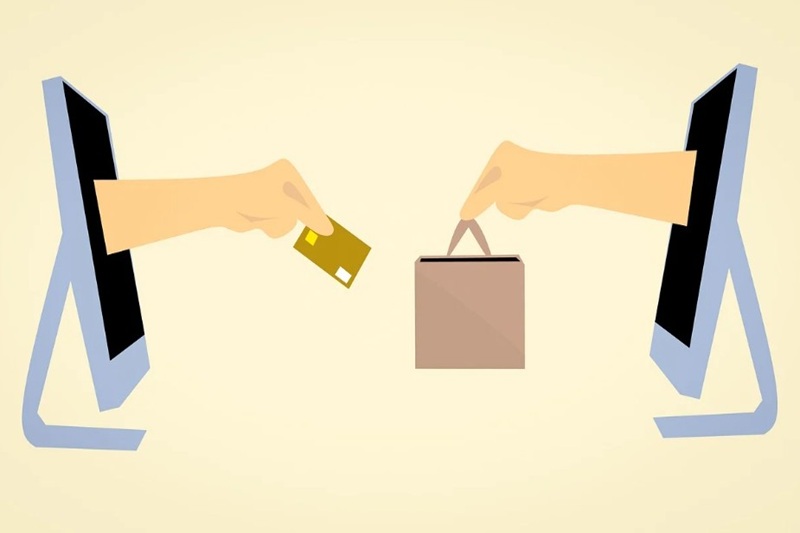
Essentially, they act as a bridge, connecting your customers’ payment details to your bank account securely and efficiently. This means you can accept payments without the hassle of obtaining your own merchant account, which can be a lengthy and complicated process for many businesses, particularly those just starting out.
A web design team can easily integrate a third-party payment processor into your site.
How Does a Third-Party Payment Processor Work?
Understanding the mechanics behind third-party payment processors is key to appreciating their value for your online business. Essentially, these services act as a bridge, simplifying the complex journey of a customer’s payment from their bank account to your business’s account.
The Customer’s Experience
For your customers, the process is designed to be straightforward. When they proceed to checkout on your website, they’ll enter their payment details – be it credit card information, digital wallet details, or other preferred methods. This information is then securely transmitted to the payment processor. The customer typically receives an immediate confirmation of whether the transaction has been approved or declined, all without needing to understand the intricate steps happening behind the scenes.
The Merchant’s Experience
As a merchant, your interaction is equally streamlined. Instead of managing your own direct relationship with a bank for payment processing you partner with a third-party provider. You create an account with them, and they handle the technicalities of processing transactions. This means you don’t need to set up or maintain a separate merchant account, which can be a lengthy and complex process, not to mention expensive! Your sales are aggregated, and funds are eventually transferred to your business bank account, often on a regular schedule.
The Role of the Payment Gateway
Often working hand-in-hand with the processor is the payment gateway. Think of the gateway as the digital point-of-sale terminal for your website. It securely captures the customer’s payment information and transmits it to the processor. The gateway encrypts the data, protecting sensitive customer details during transit. It then communicates the transaction status back to the customer and the merchant. The payment gateway is the secure conduit that initiates the payment flow.
Here’s a simplified breakdown of the transaction flow:
- Customer Initiates Payment: A customer enters their payment details on your website.
- Gateway Secures Data: The payment gateway encrypts this information.
- Processor Authorises: The processor sends the details to the customer’s bank or card network for authorisation.
- Bank Responds: The bank approves or declines the transaction.
- Processor Notifies: The processor receives the response and relays it back to the gateway.
- Merchant and Customer Informed: The gateway displays the success or failure message on your website.
- Funds Transfer: Approved funds are collected by the processor and eventually settled into your business account.
Key Features and Benefits of Using a Third-Party Processor
When you’re running a website, especially one that sells products or services, making it easy for customers to pay is a big deal. Third-party payment processors are like the helpful assistants that handle all the tricky bits of taking money from your customers. They’re not your bank, and they’re not directly part of your website, but they’re there to make sure payments go through smoothly and securely.
Enhanced Security and Fraud Prevention
One of the biggest wins with these processors is how they look after your security and try to stop dodgy transactions. They’ve got systems in place to spot and block fraudulent activity, which is a massive relief. Think of it as having a security guard for your online till. This means you can worry less about scams and more about growing your business. It’s a big plus for building trust with your customers too; they want to know their card details are safe.
Streamlined Checkout Process
Nobody likes a complicated checkout. These processors help make the payment part of your website really simple for your customers. When people can pay quickly and without fuss, they’re more likely to complete their purchase. A smooth checkout means fewer abandoned carts and happier shoppers. It’s all about making that final step as easy as possible.
Wider Payment Options
Customers these days expect to pay in all sorts of ways. They might want to use a credit card, a debit card, or even a digital wallet. Some processors, like Square, also make it easier to accept payments from different countries. Offering more ways to pay means you’re less likely to lose a sale just because you didn’t accept a particular payment method. It opens up your business to more people.
Simplified Compliance
Dealing with all the rules and regulations around handling payments, like PCI DSS compliance, can be a real headache. Third-party processors take on a lot of that burden. They are experts in this area and manage the complex requirements, so you don’t have to. This saves you time, money, and a whole lot of stress. It means you can focus on what you do best, rather than getting bogged down in technical compliance.
Choosing the Right Third-Party Payment Processor for Your Website
Selecting the correct third-party payment processor is a significant decision for any business operating online. The right choice can simplify your financial operations, improve the customer experience at checkout, and even open up new markets. Conversely, the wrong processor can lead to unexpected fees, service interruptions, or transaction issues for your customers. With numerous providers available, it’s important to consider your business’s unique requirements before committing.
eWay
Website: https://www.eway.com.au/
eWay is a well-established payment gateway that serves businesses across Australia and internationally. They offer a range of solutions designed to integrate smoothly with various e-commerce platforms. When considering eWay, look at their transaction fees and any monthly charges. They often provide competitive rates, especially for businesses with higher transaction volumes. It’s worth investigating their specific integration capabilities with your current website setup to ensure a smooth implementation.
PayPal
Website: https://www.paypal.com/au/
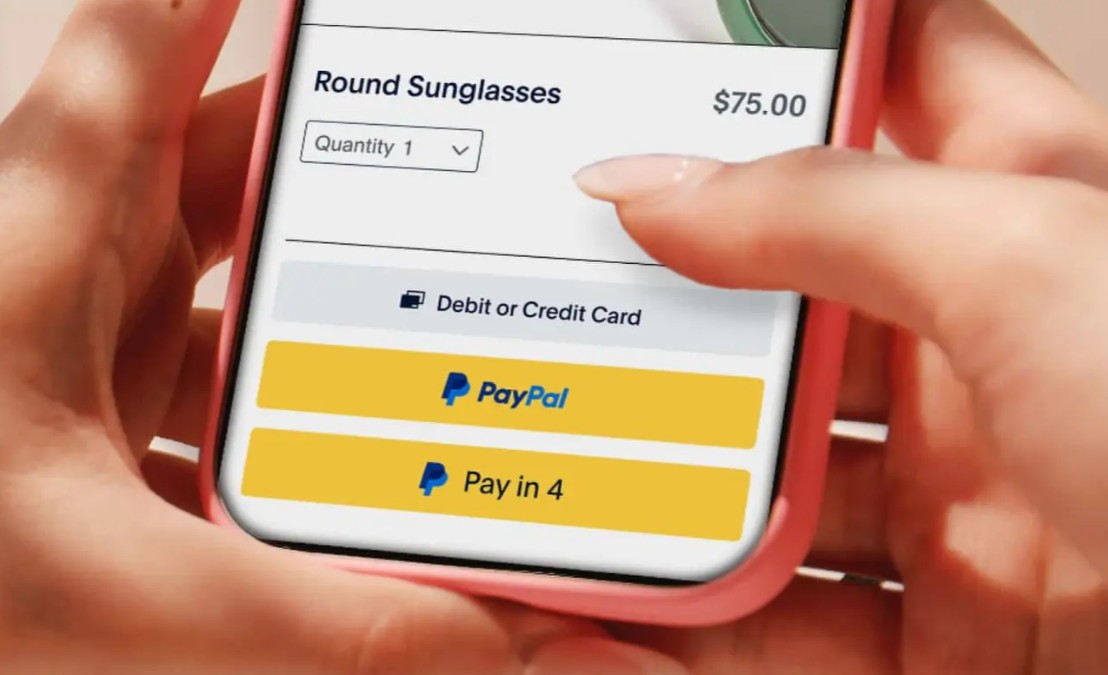
PayPal is a globally recognised name in online payments, known for its user-friendly interface and widespread adoption by consumers. For businesses, PayPal offers a straightforward way to accept payments, often with minimal setup required. Many customers already have PayPal accounts, which can lead to a quicker checkout process. However, it’s important to review their fee structure, as it can vary depending on the transaction type and volume. Consider how PayPal fits into your overall payment strategy, especially if you’re targeting a broad customer base.
Square
Website: https://squareup.com/au/en
Square provides a comprehensive suite of tools for businesses, including payment processing for both online and in-person transactions. Their platform is often praised for its ease of use and integrated hardware solutions. For online businesses, Square offers a payment gateway that can be added to websites. When evaluating Square, consider their flat-rate transaction fees, which can be predictable for smaller businesses. Also, check their integration options with your e-commerce platform and any other business software you use.
SecurePay
Website: https://www.securepay.com.au/
SecurePay is another Australian-based payment gateway that focuses on providing secure and reliable transaction processing for businesses. They offer solutions tailored to the Australian market, often with competitive pricing and strong customer support. When looking at SecurePay, pay close attention to their security features and fraud prevention tools, which are vital for protecting your business and your customers. Understanding their fee structure, including any setup or monthly costs, is also important for budgeting. Their integration process with your website should be straightforward, but it’s always wise to confirm compatibility with your specific platform.
When choosing a payment processor, think about your current sales volume, the average value of each transaction, and the payment methods your customers prefer. Also, investigate the processor’s reliability and the quality of their customer support. A processor that works well with your existing software and provides robust security measures will likely be the best fit for your business.
Conclusion: The Importance of Third-Party Payment Processors in E-commerce
As you can see, integrating a third-party payment processor into your website isn’t just a nice-to-have; it’s practically a necessity for any online business aiming for growth and customer satisfaction in today’s digital marketplace. These services, like the well-regarded eWay, handle the complex bits of taking payments, letting you focus on what you do best – running your business. They simplify the checkout, offer more ways for customers to pay, and crucially, keep everything secure.
Think about it: customers expect a smooth, fast payment experience. If your checkout process is clunky or doesn’t accept their preferred payment method, they’ll likely just leave. Third-party processors are designed to prevent this. They’ve been tested by countless businesses, meaning they work well and are familiar to shoppers, which boosts your conversion rates.
Plus, they take on the headache of security and compliance. Keeping up with the latest fraud prevention tools and data protection rules can be a full-time job. By using a processor, you’re essentially outsourcing that risk and complexity, often at a lower cost than trying to manage it all yourself.
Ultimately, these platforms are the backbone of modern e-commerce. They enable you to accept payments efficiently and securely, opening doors to more customers and sales. Choosing the right one means a better experience for your customers and a more streamlined operation for you.
While there are a few things to keep an eye on, like the fees for high-volume sales, for many, they’re a really practical way to get paid. Choosing the right one just means doing a bit of homework to see what fits your business best.
Share this article
A quick overview of the topics covered in this article.
Latest articles

October 16, 2026

October 16, 2026