Navigating Structured vs Unstructured Citations for Smarter Local SEO
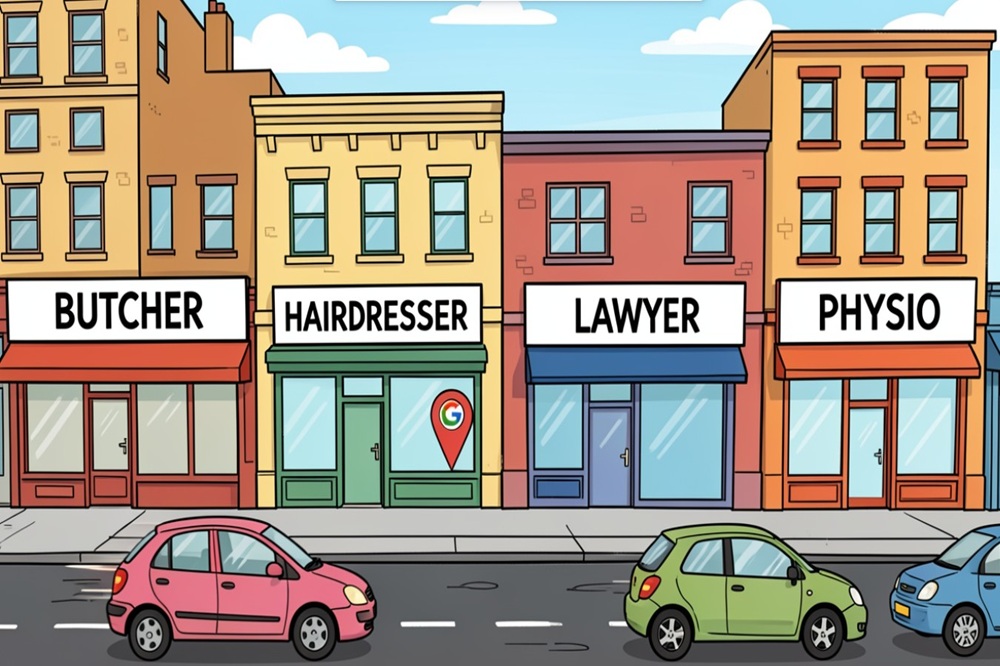
If you’re a local business owner, getting found online is very important. It’s not just about having a website; it’s about making sure people in your area can actually find you when they need your services. This is where something called ‘citations’ comes into play for your local SEO. Think of them as online mentions of your business that tell search engines like Google who you are, where you are, and how to get in touch. But not all mentions are created equal. Understanding the difference between structured and unstructured citations for local SEO can really help you get noticed.
Key Takeaways
- Structured citations are like official listings for your business, found on directories like Google Business Profile or Yelp, with consistent Name, Address, and Phone number (NAP) details.
- Unstructured citations are mentions of your business in places like blog posts or news articles, where your NAP might not always be complete or in a standard format.
- Having consistent NAP information across all your citations is vital for search engines to trust your business details and rank you higher.
- While structured citations are a stronger signal for local search, unstructured mentions still help build brand awareness and relevance.
- A good local SEO strategy needs both types of citations, focusing on accuracy, relevance, and keeping your information up-to-date across the board.
Understanding Citations in Local SEO
In the world of local search engine optimisation, understanding what a ‘citation’ is forms the bedrock of your strategy. Think of citations as digital mentions of your business across the internet. These aren’t just random mentions; they specifically refer to the consistent listing of your business’s Name, Address, and Phone number – often abbreviated as NAP. These details act as digital fingerprints, helping search engines and potential customers verify your business’s existence, location, and how to get in touch.
These mentions can pop up in a variety of places. You’ll find them in dedicated online directories like Yelp or Yellow Pages, on mapping services such as Google Maps or Apple Maps, and on review sites like TripAdvisor. They can also appear on social media platforms, in local news articles, or even on community blogs. The more consistent and accurate these NAP details are across various credible online sources, the more trust signals you send to search engines, which directly influences your local search rankings.
For instance, imagine you run a small cafe in Melbourne. A well-formed citation on a local business directory might look something like this:
Hamlet Mount Waverley
47 Marianne Way
Mount Waverley VIC 3149
(03) 8828 4993
hamletmountwaverley.com.au
Even if this listing doesn’t include a direct link to your website or customer reviews, the simple, accurate presence of your NAP information helps search engines like Google confirm your business’s legitimacy and its physical location. This consistency is key to building a strong local online presence.
What Are Structured Citations?
When we talk about local SEO, structured citations are the bedrock of your online presence. Think of them as the organised, official listings of your business’s core details – your Name, Address, and Phone number (NAP) – across the web. These aren’t just random mentions; they appear in specific places designed for business information, making them easily understood by search engines.
Characteristics of Structured Citations
Structured citations are all about consistency and format. They typically include:
- Business Name: Your official trading name.
- Full Address: Including street, suburb, city, and postcode.
- Phone Number: Your primary contact number.
- Website URL: A direct link to your business website.
- Business Category: What your business does (e.g., ‘Cafe’, ‘Plumber’).
- Operating Hours: When you’re open for business.
These details are presented in a standardised way, which is why search engines like Google can easily read, verify, and trust them. This consistency is key to building your business’s credibility online. The more consistent and accurate your NAP information is across these structured sources, the stronger the signal you send to search engines about your business’s legitimacy.
Examples of Structured Citations
You’ll find structured citations on a variety of well-known platforms. These are the go-to places for consumers looking for businesses and for search engines to gather information. Some prime examples include:
- Google Business Profile (GBP): This is arguably the most important. It’s how you appear in Google Search and Maps.
- Yelp: A popular platform for reviews and business listings.
- Apple Maps: Essential for users within the Apple ecosystem.
- Bing Places: Microsoft’s equivalent to Google Business Profile.
- Industry-Specific Directories: Think of sites relevant to your trade, like TripAdvisor for hospitality or Houzz for home services.
- Major Online Directories: Such as Yellow Pages or White Pages.
- Social Media Business Pages: Like Facebook Business Pages, which have structured fields for your NAP.
Having your business listed accurately on these platforms helps search engines confirm your details, which directly impacts your ability to rank well in local search results. It’s a fundamental part of getting found by customers in your area. For more on how to get your business noticed, you might find insights on digital marketing topics helpful.
What Are Unstructured Citations?
While structured citations provide a neat, organised way for search engines to find your business details, unstructured citations are a bit more free-spirited. Think of them as mentions of your business that pop up in places not specifically designed for business listings. These can appear in all sorts of online content, from blog posts and news articles to social media updates and forum discussions. The key difference is that they don’t adhere to a strict format, and sometimes, they might not even include your full Name, Address, and Phone number (NAP).
Characteristics of Unstructured Citations
Unstructured citations are less about a formal listing and more about a mention within a broader piece of content. They can be quite varied in what they include, but generally, you’ll find:
- Business Name: Often present, but sometimes abbreviated or used in a conversational way.
- Partial NAP Information: You might see just a phone number, a city name, or a website URL, but rarely the complete, consistent NAP that search engines prefer for verification.
- Contextual Relevance: These mentions usually appear within content that discusses your industry, services, or local area, providing context around your business.
- Backlink Potential: Many unstructured citations include a hyperlink to your website, which can be beneficial for your overall SEO.
- Brand Mentions: They contribute to brand awareness and can signal to search engines that your business is being discussed online.
Examples of Unstructured Citations
To give you a clearer picture, here are some common places you might find unstructured citations:
- Blog Posts: A local food blogger reviewing a new cafe might mention its name and a link to its Instagram page.
- News Articles: A local newspaper reporting on a community event sponsored by your business could include your company name and perhaps a website mention.
- Social Media: A customer tagging your business in a Facebook post or tweeting about a positive experience.
- Online Forums: A discussion on Reddit about the best local services where someone recommends your business.
- Press Releases: When distributed through various media outlets, these can contain mentions of your business.
While unstructured citations might not offer the same direct verification signal as structured ones, they play a significant role in building brand recognition and demonstrating real-world mentions of your business. They contribute to the overall digital footprint and can influence how search engines perceive your business’s relevance and popularity.

The Importance of Structured Citations for Local SEO
When you’re aiming to get your local business noticed, any quality SEO company will tell you that structured citations are your best friend. Think of them as the organised, official mentions of your business across the web. These aren’t just random mentions; they’re listings on reputable online directories and platforms where your business’s Name, Address, and Phone number (NAP) are presented in a consistent, standardised format. Search engines like Google rely heavily on these structured citations to verify your business’s legitimacy and location.
The more consistent and accurate your structured citations are across trusted sources, the more confidence search engines have in your business’s details. This directly impacts your ability to rank well in local search results, particularly in the Google Local Pack and map listings. It’s like building a strong foundation of trust, one well-formatted listing at a time.
Why Structured Citations Matter
Structured citations play a significant role in how search engines perceive your business’s reliability and relevance. They act as digital endorsements, confirming that your business is real, where it’s located, and how to get in touch. This confirmation process is vital for local search algorithms.
Impact on Local Search Rankings
Consistent, accurate structured citations are a major signal to search engines. They help confirm your business’s identity and location, which is a key factor for appearing in local search results. Studies suggest that businesses with a solid presence across numerous directories tend to rank higher than those with fewer or inconsistent listings. This means more visibility when potential customers are searching for services like yours in your area.
Building Credibility and Trust
When your business’s NAP information is presented uniformly across various reputable directories, it builds a strong sense of credibility. This consistency reassures both search engines and potential customers that your business is legitimate and dependable. It’s about presenting a unified, trustworthy front to the digital world.
Increasing Online Visibility
Each structured citation is another digital doorway for customers to find you. Being listed on popular directories, mapping services, and review sites means your business can be discovered through multiple channels, not just your own website. This broadens your reach and increases the chances of attracting new customers who might not have found you otherwise.
Driving Website Traffic and Leads
Many structured citation platforms allow you to include a link to your website. These links act as valuable referral traffic sources. When potential customers find your listing on a directory and click through to your site, they are often already interested in your services, making them more likely to convert into leads or paying customers.

How Unstructured Citations Can Still Help
While structured citations form the backbone of your local SEO efforts, don’t underestimate the value that unstructured citations can bring to your business. These are essentially mentions of your business that don’t adhere to a strict directory format. Think of them as organic mentions in blog posts, news articles, social media updates, or even forum discussions. They might not be as easily scannable by search engines as a structured directory listing, but they contribute significantly to building your business’s online presence and credibility.
How Unstructured Citations Build Trust and Authority
Unstructured citations act as real-world endorsements. When your business is mentioned positively in content that people already trust, it signals to both potential customers and search engines that your business is relevant and reputable. For instance, a local blogger reviewing a new cafe might mention its name, address, and perhaps a link to its website within the article. This isn’t a formal directory listing, but it’s a powerful testament to your business’s existence and appeal.
- They provide social proof: Positive mentions in blogs or news articles act as testimonials, influencing potential customers.
- They increase brand visibility: Being mentioned across various online platforms exposes your business to new audiences.
- They can drive referral traffic: A direct link within an unstructured citation can lead interested readers straight to your website.
Finding and Utilising Unstructured Citations
Identifying unstructured citations often involves more manual effort. You’ll want to look for opportunities where your business is naturally discussed online. This could include:
- Local news outlets covering community events your business participated in.
- Industry-specific blogs or forums where your services are discussed.
- Social media posts from customers or local influencers mentioning your business.
When you find these mentions, especially if they lack a direct link or complete NAP, consider reaching out. A polite request to add a link or clarify your business details can turn a passive mention into an active SEO asset. It’s about building a web of mentions that reinforce your business’s legitimacy and reach.
While structured citations are excellent for direct data verification by search engines, unstructured citations build a narrative around your business. They demonstrate real-world engagement and can significantly influence consumer perception, which indirectly supports your local SEO goals by driving traffic and building brand recognition.
Ensuring NAP Consistency Across All Citations
When you’re aiming to get your business noticed locally, keeping your Name, Address, and Phone number (NAP) consistent everywhere is a big deal. Think of it like this: if your business details are all over the shop, search engines get confused. They can’t quite figure out if they’re looking at the same business or a few different ones. This confusion can really hurt your chances of showing up when people search for what you offer nearby.
Why NAP Consistency Matters
Search engines like Google use your NAP information to confirm your business is real and located where you say it is. When this information matches across different websites and directories, it builds trust. It tells Google, “Yep, this business is legitimate and here.” If your details are all over the place – maybe one listing says “St.” and another says “Street,” or you’ve got an old phone number on one site – it makes your business look less reliable. This can lead to lower rankings in local search results, which is the last thing you want.
Steps to Maintain NAP Consistency
Getting your NAP details right and keeping them that way takes a bit of effort, but it’s totally worth it. Here’s how you can nail it:
- Standardise Your Details: Before you start listing your business anywhere, decide on the exact format for your business name, address, and phone number. Use this exact format everywhere. No abbreviations, no variations. For example, if your address is 123 Main Street, always write it as “123 Main Street,” not “123 Main St.” or “123 Main.” The same goes for your phone number – stick to one format.
- Audit Your Existing Citations: You need to know what’s already out there. Use tools or do manual checks to find all the places your business is listed online. Look for any inconsistencies or outdated information. It’s common to find old addresses or phone numbers from when you first started.
- Update or Remove Inconsistent Listings: Once you find errors, you need to fix them. This might mean contacting directories to update your information or, in some cases, requesting that incorrect listings be removed entirely. This can be a bit of a process, but it’s vital for accuracy.
- Use a CRM or Spreadsheet: To keep track of everything, maintain a central document or spreadsheet with your correct NAP details. This will be your go-to reference when creating new citations or checking existing ones. It’s a simple but effective way to avoid mistakes.
Keeping your business information accurate and consistent across the web isn’t just about looking professional; it’s a direct signal to search engines about your business’s legitimacy and reliability. Treat your NAP details like gold – protect them and keep them polished.
Strategies for Building and Managing Citations
Building and managing your business’s citations is a core part of local SEO. It’s not just about getting your name out there; it’s about presenting a consistent, accurate picture of your business to search engines and potential customers. Think of it as building a strong foundation for your online presence. Here’s how you can approach it effectively.
Identify Key Directories and Platforms
Start by pinpointing where your target audience is likely to look for businesses like yours. This includes major general directories like Google Business Profile, Yelp, and Yellow Pages, but also industry-specific sites (e.g., TripAdvisor for hospitality, Houzz for home services) and local community portals. Don’t overlook social media platforms where your business has a presence.
Conduct a Citation Audit
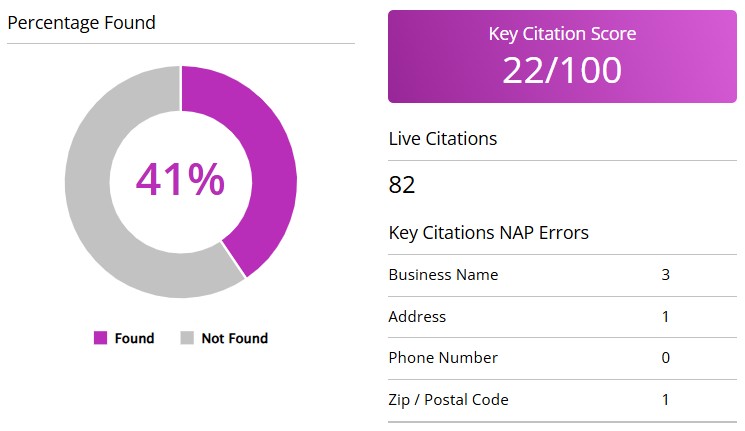
Before you start building new citations, it’s wise to see what you already have. Search for your business name online and look for existing mentions. Identify any inconsistencies in your Name, Address, and Phone number (NAP) details, duplicate listings, or outdated information. Tools can help automate this process, saving you considerable time.
Prioritise NAP Consistency
This is non-negotiable. Every single citation should have your NAP details presented in the exact same format. Use abbreviations consistently (e.g., ‘St.’ for Street, ‘Rd.’ for Road) or spell them out fully. Decide on one format and stick to it everywhere. Even small variations can confuse search engines.
Build New Citations Strategically
Focus on quality over quantity. Aim for reputable directories and platforms relevant to your business and location. Submitting to a large number of low-quality or irrelevant sites can be counterproductive. Consider using data aggregators, as they can help distribute your business information to a wide network of directories efficiently.
Manage and Update Regularly
Your citation profile isn’t static. Businesses change – addresses, phone numbers, operating hours. It’s vital to update your citations promptly whenever these details change. Regularly auditing your citations helps catch errors or outdated information that could be harming your local search performance. Removing duplicate listings is also a key part of this ongoing management.
Respond to Reviews on Citation Sites
Many citation platforms allow customer reviews. Engaging with these reviews, both positive and negative, not only improves your business’s reputation but also signals to search engines that your business is active and customer-focused. This interaction can indirectly benefit your local SEO efforts.
Conclusion: Leveraging Both for Maximum Local SEO Impact
Bringing It All Together
So, you’ve learned about structured and unstructured citations and why they matter for your local search presence. It’s clear that a solid local SEO strategy isn’t about picking one over the other; it’s about using both to your advantage. Structured citations give search engines the clear, organised data they need to understand your business, while unstructured citations offer a broader signal of your business’s presence and reputation across the web. By managing both effectively, you create a robust online footprint that search engines can easily interpret and trust.
Your Action Plan
To make sure your business is found by local customers, focus on these key actions:
- Prioritise NAP Consistency: Double-check that your business Name, Address, and Phone number are exactly the same everywhere. Even small differences can confuse search engines.
- Build a Strong Structured Base: Get listed on major directories and industry-specific sites. Think of these as your business’s official online addresses.
- Seek Out Unstructured Mentions: Encourage reviews on platforms like Google, and look for mentions of your business on local news sites, blogs, or community pages. These add credibility.
- Monitor Your Presence: Regularly check where your business is listed and what people are saying about it. Tools can help with this.
The Bigger Picture
Think of your citations as building blocks for your local online reputation. Structured citations are the solid foundation, providing clear, verifiable information. Unstructured citations are like the word-of-mouth endorsements that build trust and demonstrate real-world relevance. When you combine these, you’re not just ticking boxes; you’re actively shaping how local customers perceive your business and how search engines rank it. It’s about creating a complete, trustworthy picture of your business for everyone searching locally.
Putting It All Together for Local Success
So, you’ve seen how both structured and unstructured citations play a part in getting your local business noticed. It’s not just about getting your name out there; it’s about doing it accurately and consistently. Think of structured citations as your business’s official ID across the web, making it easy for search engines and customers to find you. Unstructured citations, on the other hand, are like word-of-mouth mentions – they build awareness and trust in different ways. By making sure your business details are spot-on everywhere, from big directories to local blogs, you’re building a solid foundation for local search visibility. Keep an eye on your listings, update them when needed, and you’ll be well on your way to attracting more local customers.
Frequently Asked Questions
What exactly are SEO citations, and how do they differ?
Think of citations as online mentions of your business’s name, address, and phone number (NAP). They’re like digital signposts that help people and search engines find your business. Structured citations are neat and tidy listings in places like Google Business Profile or Yelp, where all the information is presented in a consistent way. Unstructured citations are more casual mentions, like a quick shout-out in a blog post or on social media, where the information might not always be perfectly formatted.
Why are structured citations so crucial for local search rankings?
Structured citations are really important because they’re like official endorsements for your business. When search engines like Google see your business listed consistently and accurately on reputable sites, it builds trust and shows that your business is legitimate and where you say it is. This helps you show up higher in local search results.
Can unstructured citations still help my business’s online visibility?
Even though structured citations are the stars of the show, unstructured ones still play a part. They help build your brand’s presence and can add context to what your business does. While they might not always have all your NAP details, a mention in a local news article or a popular blog can still get people talking about your business and visiting your website.
How important is it to keep my business information consistent everywhere?
Absolutely! Keeping your business name, address, and phone number exactly the same everywhere is super important. If one listing says ‘Street’ and another says ‘St.’, it can confuse search engines. Making sure your NAP details are identical across all your citations helps search engines trust the information and rank you better.
What are some good ways to start building and managing my business’s citations?
You can build citations by first finding relevant online directories and websites where local businesses are listed. Then, you manually submit your business information to these sites, making sure it’s accurate. It’s also a good idea to look at what directories your competitors use for inspiration. Regularly checking for and updating your listings is key to managing them well.
What’s the main goal when building citations for better local SEO?
It’s all about making sure your business details are correct and consistent wherever they appear online. Think about listing your business on popular directories like Google Business Profile and Yelp, but also look for industry-specific sites or local community blogs. The more accurate and relevant mentions you have, the better your chances of being found by local customers.
Share this article
A quick overview of the topics covered in this article.
Latest articles

September 18, 2026

September 18, 2026
September 18, 2026