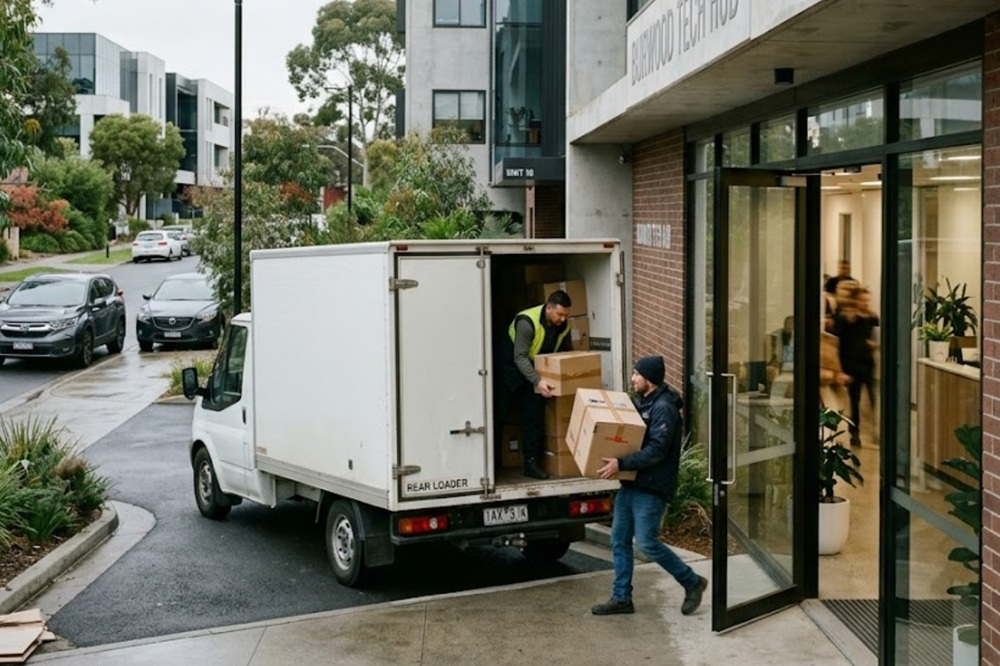
Moving Premises? Here’s How to Keep Your Google Maps Ranking
A Hawthorn electrician moved two suburbs over last year to get a bigger workshop. Better rent, more space, closer to the arterial roads. Within six weeks his Map Pack calls had halved, and he had no idea why, because nothing about the business had actually changed.
What had changed was the one thing Google cares about most: the address tied to his listing.
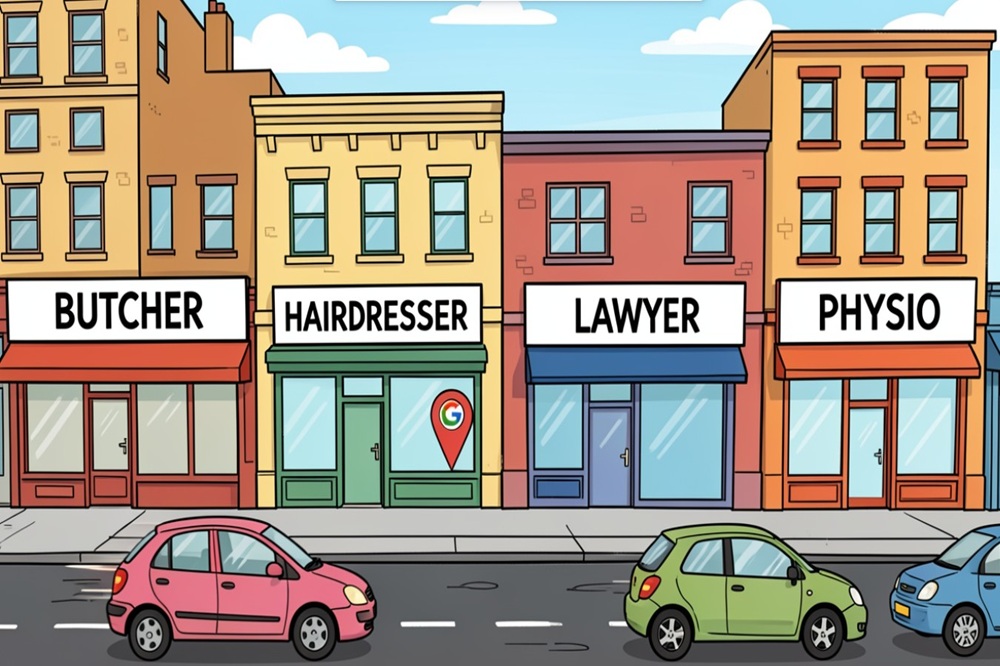
Your Ranking Is Tied to a Location, Not a Business Name
Google Business Profile isn’t just a directory entry. It’s a verified claim about where a business physically operates, and everything else, reviews, categories, photos, post history, sits on top of that verification. Move the address without handling the transition properly, and Google has to re-establish trust in the new location before it hands back the ranking equity the old one had built up.
That re-establishment period is where businesses lose weeks, sometimes months, of visibility they didn’t need to lose. Most of the damage is avoidable. It just requires doing things in the right order.
Line Up the Groundwork Before You Touch Anything
Don’t update the Google Business Profile the moment the lease is signed. Wait until you’re physically operating from the new address, because premature changes can trigger a re-verification Google won’t approve until it can confirm the business is actually there.
In the meantime:
- Decide the exact new NAP format you’ll use everywhere: suite number, street address, suburb, postcode, phone. One version, used consistently.
- Pull a full list of every citation, directory, and profile currently showing the old address.
- Screenshot the current GBP listing, including categories, attributes, and Q&A, as a reference in case anything resets during the update.
- Check whether the move takes you out of your existing suburb cluster. A shift from the eastern suburbs to somewhere further out changes which local searches you’re realistically competitive for, and that’s worth mapping before the move, not after.

Updating Google Business Profile the Right Way
Update the existing listing. Don’t create a new one. We’ve covered the full profile setup, categories, photos, posts, in our guide to optimising Google Business Profile if you want to go deeper.
This is the mistake we see most often, and it’s costly. A fresh listing means starting from zero: no reviews, no post history, no accumulated trust signals. The years of reviews sitting on the old listing are worth more than most business owners realise until they’ve thrown them away by starting again.
How Google Verifies a New Address
Once the address is updated, Google needs to re-verify it, and video verification is now the most common route: a live walkthrough of the premises, showing signage, interior, and anything else that confirms you’re actually operating there. Phone verification is used in a lot of cases too, a code sent straight to the number on file. Email verification comes up occasionally as well. Postcard verification still exists, but it’s become rare and isn’t offered for every business or location. Budget for a verification window where the listing may show as unverified or temporarily less visible in search.
The NAP Ripple Effect
The address change itself takes minutes. Cleaning up everywhere else it’s mentioned takes considerably longer, and that gap is where most of the ranking dip actually comes from.
Every citation with the old address is a small signal to Google that something doesn’t add up. Enough of them, and Google starts trusting the listing less overall, not just for the address field.
Work through, in roughly this order:
- Bing Places and Apple Business Connect
- TrueLocal, Yellow Pages, White Pages, StartLocal, Hotfrog
- Industry directories like Clutch or GoodFirms if relevant to your sector
- Your own website footer, contact page, and schema markup
- Guest post author bios and any external site that links back with your NAP included
- Invoice templates, email signatures, and client report footers
Keep, Update, or Leave Alone
Not every mention needs fixing. Chase them all with the same urgency and you’ll burn hours you don’t have on citations nobody’s looking at. Our Local SEO agency services use software to identify all your citations, determine the priority listings, see which can be updated using automation and manually revise other crucial listings.
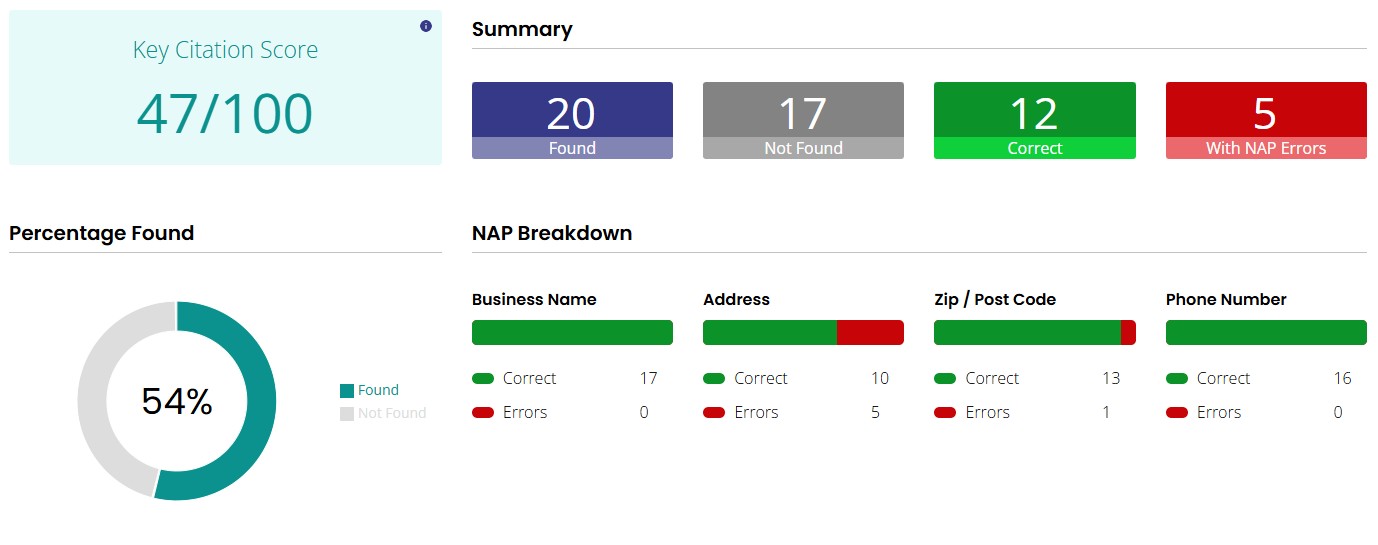
Directories you control: update immediately. Old guest posts or press mentions on sites you don’t control: often better left alone rather than chasing an edit that may never happen, particularly if the piece is old and low traffic. Chasing every historical mention across the internet isn’t the goal. Getting the high-authority, high-visibility ones consistent is.
What Moving to Mount Waverley Taught Us
Temerity relocated to its current Mount Waverley premises in 2019. At the time, the priority was getting the physical move done and updating the website. The GBP and citation side of things happened more gradually, and looking back at the local SEO audit we ran on our own listing years later, some of that lag was still visible: a suburb spelled incorrectly on one directory, a phone number that didn’t match across a couple of listings, the kind of thing that’s easy to miss when the move itself is what’s demanding attention.
None of it was catastrophic. But it’s a useful reminder that these small inconsistencies don’t fix themselves with time. They sit there until someone goes looking for them, which is exactly the situation a lot of businesses find themselves in with a relocation that happened years ago.
The Dip Is Normal. Here’s What Isn’t
Expect some softening in Map Pack visibility for a few weeks after a move, even when everything is handled correctly. Google needs time to re-crawl, re-verify, and re-associate the accumulated signals with the new location.
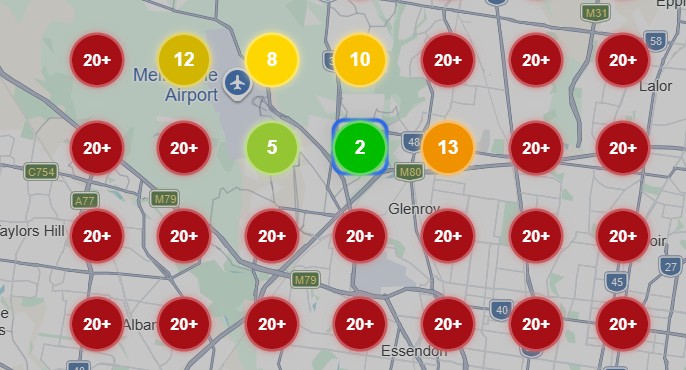
A dip that keeps deepening past the two or three month mark isn’t normal, and it’s almost always one of three things. Either a duplicate listing is sitting alongside the real one, verification never actually went through, or somewhere high-visibility, Yellow Pages, the website’s own footer, is still pointing at the old address.
After the Move: What to Check Weekly
For the first two to three months:
- Confirm the GBP listing shows “verified” and the new address is live in search
- Search your business name plus old suburb to catch any lingering old citations
- Check for duplicate listings under slightly different name variants
- Track Map Pack position for your core local terms against the pre-move baseline
- Monitor GBP insights for a drop in direction requests or calls that doesn’t recover
A relocation is one of the few moments where the boring administrative work, the citation updates, the NAP consistency, the patience through a verification window, matters more to your ranking than any content or backlink strategy could in the same window. Get the sequence right, and the dip is a blip. Get it wrong, and you’re rebuilding local trust from a lower starting point than you had before.
If you’re planning a move and want the citation and GBP transition mapped out properly before it happens, get in touch for a free SEO strategy session and see how we can help. It’s a groundwork worth getting right the first time.
Share this article
A quick overview of the topics covered in this article.
Latest articles

September 18, 2026

September 18, 2026

September 18, 2026