Boost Your eCommerce Sales with Smart Link Building
In today’s busy online marketplace, getting your eCommerce store noticed is a real challenge. With so many shops out there, just having great products isn’t always enough. You need a way to stand out and show people, and search engines, that your store is trustworthy and worth visiting. That’s where link building comes in. It’s all about getting other websites to link to yours, acting like a vote of confidence.
This guide will help you understand how to build these links effectively for your eCommerce store, boosting your online presence and ultimately, your sales.
Key Takeaways
- Getting other websites to link to your store, known as link building, is vital for improving your search engine rankings and making your eCommerce business more visible.
- Different types of links exist, including internal links that connect pages within your site and external links from other reputable websites, each serving a unique purpose.
- Start with basic strategies like guest blogging on relevant sites, getting product reviews, and working with influencers to earn initial backlinks.
- Advanced tactics like finding and fixing broken links on other sites or creating shareable content can further boost your link profile.
- Keep an eye on how many new websites are linking to you, the quality of those sites, and how your overall website traffic and search rankings are improving to measure your success.
Why Link Building is Crucial for eCommerce Success
In today’s competitive online marketplace, simply having great products isn’t enough for your eCommerce store to thrive. Search engines like Google are constantly looking for signals that indicate your site is trustworthy and relevant to what people are searching for. This is where link building comes into play. Acquiring links from other reputable websites to your own acts like a vote of confidence, telling search engines that your business is a reliable source.
Think of it this way: when a well-respected blog or industry publication links to one of your product pages or a helpful guide on your site, it’s essentially recommending you to their audience and to Google. This not only helps your website rank higher in search results, making it easier for potential customers to find you, but it also drives direct traffic from those referring sites.
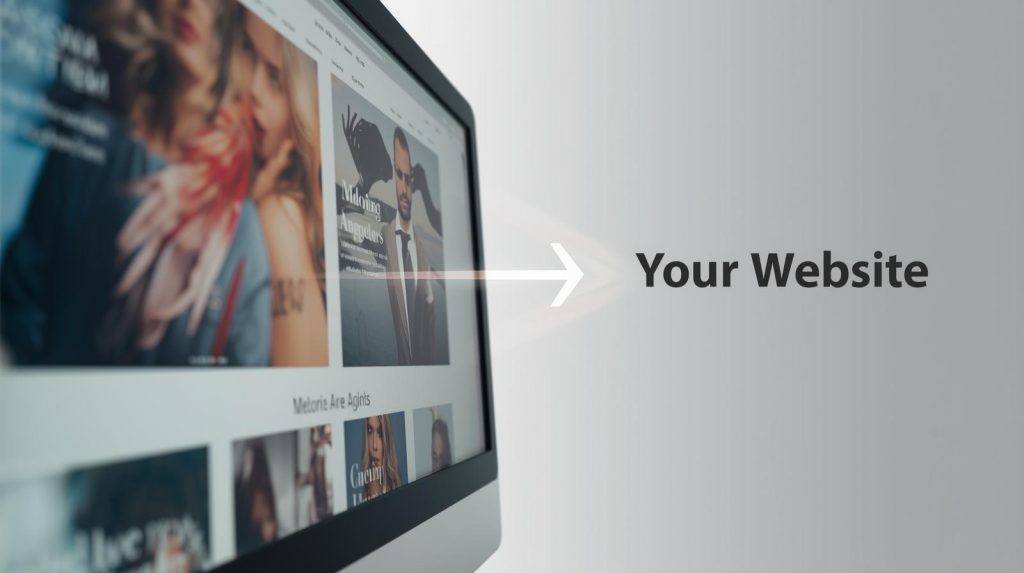
In an era where customer acquisition costs are rising and privacy changes affect traditional advertising, building organic visibility through strong SEO and quality backlinks offers a more sustainable and cost-effective path to growth.
A solid backlink profile is a powerful indicator of authority and credibility, directly impacting your store’s ability to attract and convert customers.
Here’s why focusing on link building is so important for your eCommerce business:
- Improved Search Engine Rankings: High-quality backlinks are a major ranking factor for search engines. The more authoritative sites that link to you, the higher your products and categories are likely to appear in search results for relevant queries.
- Increased Website Traffic: Links from other websites act as direct pathways for users to discover your store. This referral traffic often consists of highly engaged visitors who are already interested in your niche.
- Enhanced Brand Authority and Trust: When reputable sources vouch for your business with a link, it builds trust not only with search engines but also with potential customers. This credibility can significantly influence purchasing decisions.
- Greater Brand Awareness: Being featured on other websites exposes your brand to new audiences, increasing overall visibility and recognition within your industry.
Building relationships with other sites to earn links is a long-term investment that pays dividends in organic visibility and customer trust, setting your eCommerce store apart from the competition.
Understanding the Different Types of Links for eCommerce
When we talk about getting your eCommerce store noticed online, links are a big part of the puzzle. Think of them as digital signposts that guide people to your site and tell search engines that your business is a reliable place to be. Not all links are created equal, though. Understanding the different kinds you can get, and how to use them, is key to building a solid strategy.
Internal Linking: Connecting Your Product Pages
Internal links are the connections you make between different pages on your own website. For an online store, this is super important for helping customers find what they’re looking for and for making sure search engines can properly understand your site’s structure. When you link from a blog post about, say, ‘Choosing the Right Running Shoes’ to a specific pair of running shoes on your site, that’s an internal link. It keeps people on your site longer and shows them related products or information they might be interested in.
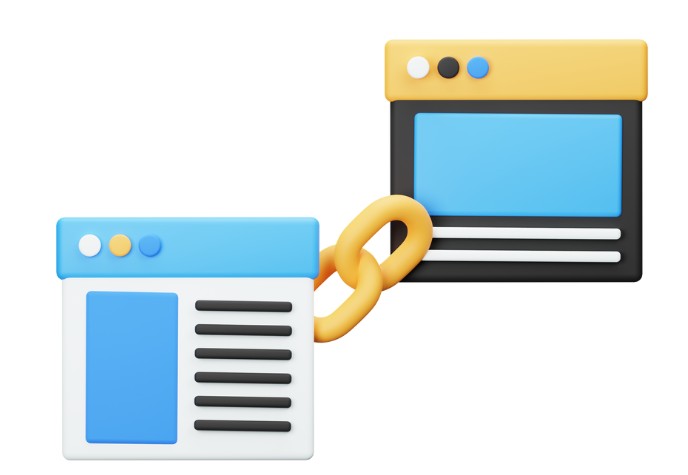
Good internal linking makes your website easier to use and helps boost the visibility of your product pages.
Here’s why it matters:
- Improved Navigation: Customers can easily move between related products, categories, or helpful content like buying guides.
- Search Engine Understanding: It helps search engines discover and index all your pages, passing ‘link equity’ to important product pages.
- Increased Time on Site: By guiding users to more relevant content, you encourage them to explore your store further.
External Linking: Building Authority and Trust
External links, often called backlinks, are links from other websites pointing to yours. These are the ones that really build your store’s reputation and authority in the eyes of search engines and potential customers. When a well-known blog or a respected industry site links to one of your products or a piece of content you’ve created, it’s like a vote of confidence. This tells search engines that your site is a credible source of information or products.
Think about it: if a popular fashion blogger writes a review of your latest clothing line and links to your store, that’s a fantastic external link. It not only brings potential customers directly to you but also signals to Google that your brand is relevant and trustworthy in the fashion space. Building a strong profile of these links from reputable sources is vital for standing out in a crowded online market.
Building a diverse set of external links from relevant, authoritative websites acts as a powerful endorsement. It signals to search engines that your eCommerce store is a trusted destination, directly impacting your search rankings and driving qualified traffic from those referring sites.
Foundational Link Building Strategies for eCommerce Stores
To really get your online store noticed and bring in more customers, you need to start with some solid link-building basics. Think of these as the essential building blocks that make your site more attractive to both search engines and potential buyers. It’s not just about getting links; it’s about earning them through genuine value.
Guest Blogging on Relevant Industry Sites
Writing articles for other websites in your niche is a fantastic way to get your brand in front of a new audience and pick up some quality backlinks. When you contribute to a blog that your target customers already read, you’re essentially borrowing their credibility. The key here is to provide truly useful content that solves a problem or offers a unique perspective, rather than just a sales pitch. Make sure the site you’re targeting is reputable and has an engaged readership.
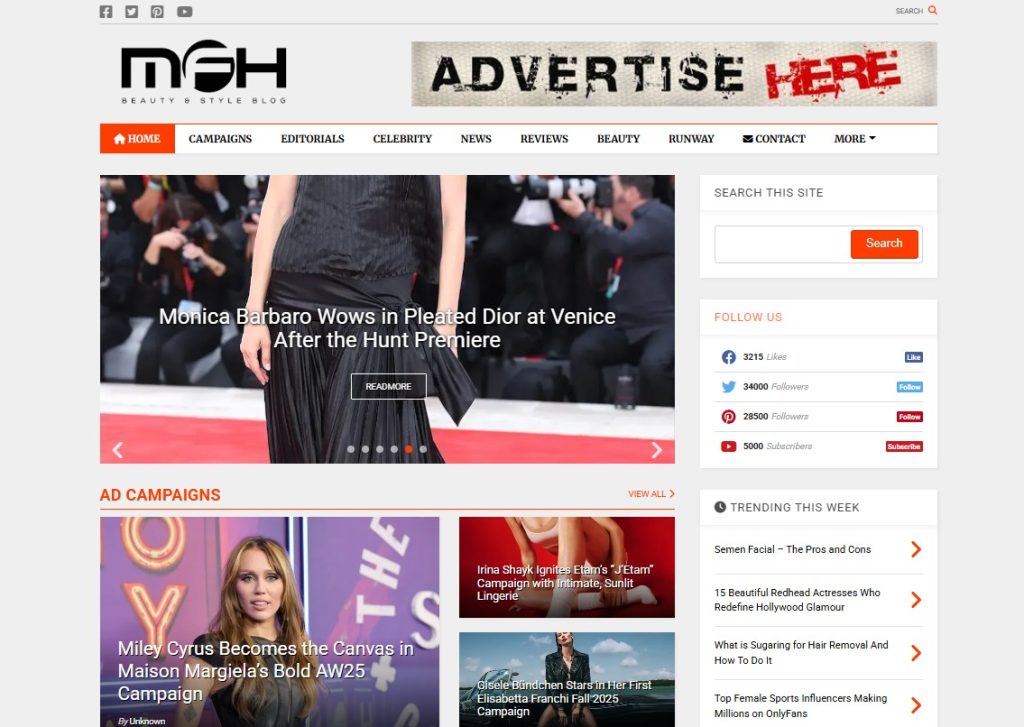
A well-placed link back to a relevant category page or a helpful blog post on your own site can drive targeted traffic.
Here’s a simple approach to guest blogging:
- Identify Target Blogs: Look for blogs that your ideal customers follow and that align with your product offerings.
- Propose Unique Ideas: Don’t just pitch generic topics. Offer fresh angles or data that haven’t been covered extensively.
- Write High-Quality Content: Produce an article that is informative, engaging, and provides real value to the host blog’s readers.
- Include a Natural Backlink: Place a link within your author bio or contextually within the content if it genuinely adds value.
Product Reviews and Unboxing Videos
Getting your products reviewed by bloggers, YouTubers, or industry influencers is a powerful way to generate buzz and earn backlinks. When someone creates an unboxing video or a detailed review of your product, they’ll often link back to your store so viewers can find and purchase the item themselves. This type of content is highly trusted by consumers because it comes from a third party. It’s also a great way to showcase your products in action and highlight their benefits.
To encourage this:
- Reach out to Reviewers: Identify individuals or channels that review products similar to yours.
- Offer Samples: Provide free product samples for them to review.
- Don’t Dictate: Allow reviewers to share their honest opinions; authenticity is key.
- Track Mentions: Monitor for reviews and ensure they include a link back to your product page.
Leveraging Influencer Marketing for Backlinks
Influencer marketing goes beyond just social media shout-outs. Collaborating with influencers can lead to valuable backlinks when they feature your products or services on their blogs or websites. Think of it as a modern form of word-of-mouth marketing, amplified by people who have built trust with a specific audience.
The goal is to partner with influencers whose audience genuinely matches your customer base. This ensures that the traffic driven by their links is highly relevant and more likely to convert.
Consider these points for influencer collaborations:
- Audience Alignment: Prioritise influencers whose followers are your potential customers.
- Content Integration: Work with influencers to integrate your products naturally into their content, whether it’s a blog post, a video, or a dedicated feature.
- Clear Expectations: Define the deliverables, including the type and placement of backlinks, upfront.
Building these foundational links is about creating genuine connections and providing value. It’s a slower burn than some advanced tactics, but the authority and trust you build are long-lasting and directly contribute to sustained sales growth.
Advanced Link Building Tactics to Drive Sales
Once you’ve got the basics covered, it’s time to look at some more sophisticated ways to get quality links that can really move the needle for your eCommerce business. These aren’t just about getting more links; they’re about getting smarter links.
Broken Link Building for Competitors
This is a clever tactic that involves finding links on other websites that are no longer working – they point to a page that doesn’t exist anymore. Think of it as finding a broken window in a competitor’s online shopfront. You can use tools like Ahrefs or SEMrush to scan websites in your niche, especially those that are similar to your competitors, and identify these dead links.
Once you find one, you reach out to the website owner. You politely let them know about the broken link and, crucially, suggest your own relevant product page or content as a replacement. It’s a win-win: you help the website improve its user experience, and you gain a valuable backlink from a relevant source.
Creating Shareable Content and Infographics
People link to content that is useful, interesting, or visually appealing. For eCommerce, this means moving beyond just product descriptions. Consider creating:
- In-depth buying guides: For example, a comprehensive guide on choosing the right running shoes, complete with comparisons and expert tips.
- How-to articles: Demonstrating how to use your products or solve common problems related to your industry.
- Infographics: These are fantastic for presenting data or complex information in an easy-to-understand visual format. Think about creating an infographic showing the benefits of your organic skincare ingredients or a timeline of fashion trends.
- Interactive tools: A simple calculator for estimating product needs or a quiz to help customers find the perfect item can be highly engaging.
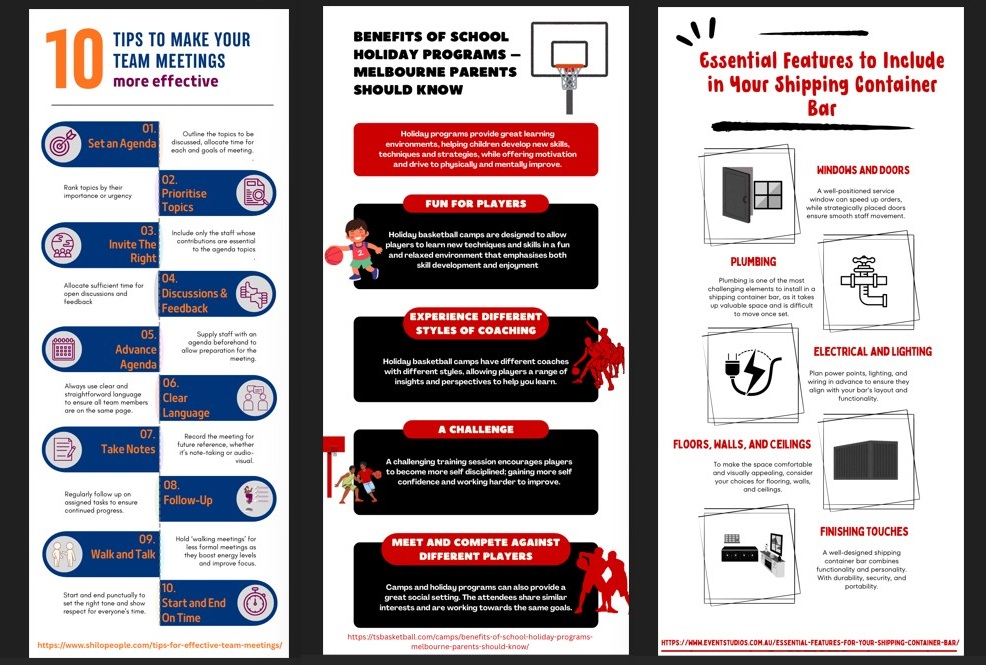
When you create these ‘linkable assets’, you need to promote them. Share them across your social media channels, email your subscriber list, and even reach out to other websites or bloggers who might find them useful for their own content. The more people see your great content, the more likely it is to be linked to.
The goal here is to become a go-to resource. When your content is consistently helpful and well-presented, other sites will naturally want to link to it, signalling to search engines that your site is authoritative and trustworthy.
Measuring Your Link Building Success and ROI
So, you’ve been putting in the effort with link building, which is fantastic. But how do you actually know if it’s paying off? It’s not enough to just build links; you need to track what’s happening. This is where measuring your success and understanding the return on investment (ROI) comes in.
The real goal is to see if these links are actually helping your eCommerce business grow. Are they bringing in more customers, or just more website visits?
Here are some key things to keep an eye on:
- New Referring Domains: How many unique websites are linking to you? Aim for a steady increase from different, quality sites rather than lots of links from just one or two places.
- Quality of Linking Sites: Not all links are created equal. Look at metrics like Domain Authority (DA) or Domain Rating (DR) to see if the sites linking to you are reputable and relevant to your industry. Higher quality links generally have a bigger impact.
- Organic Traffic Growth: Check your website analytics. If your link building is working, you should see more people finding your store through search engines.
- Keyword Rankings: Are you climbing the search results for the terms people use to find products like yours? Improvements here often point to successful link building.
- Referral Traffic and Conversions: This is the bottom line. Are the visitors coming from those links actually buying something? Track how much traffic comes directly from your built links and, more importantly, how many of those visitors convert into customers.
To keep tabs on all this, you’ll want to use tools like Ahrefs, SEMrush, or Moz. Google Analytics is also essential for tracking traffic and sales. Regularly reviewing these metrics will show you what strategies are working best and where you might need to adjust your approach. It’s about making informed decisions to get the most out of your link-building efforts.
Putting It All Together for eCommerce Success
So, you’ve seen how getting other websites to link to yours can really make a difference for your online store. It’s not just about looking good to Google; it’s about building real trust with shoppers and making it easier for them to find you. Remember, creating helpful content that people actually want to share is a big part of this. Think guides, comparisons, or even just answering common questions really well. And don’t forget about those technical bits, like making sure your site is fast and easy to use. By focusing on quality links and a solid website, you’re setting yourself up for more visitors and, ultimately, more sales. Keep at it, and you’ll see your store grow.
Frequently Asked Questions
What exactly is link building for online stores?
Link building for your online shop means getting other websites to put links that point to your site. Think of these links as recommendations. When trusted websites link to you, search engines like Google see your site as a helpful and reliable place, which helps you show up higher in search results.
Why should I bother with link building for my eCommerce business?
Link building is super important because it helps people find your store more easily. It makes your website seem more trustworthy to search engines, which means you’ll likely appear higher when people search for products you sell. This can bring more visitors who are actually interested in buying.
What kind of links are best for my online shop?
The best links come from websites that are relevant to your business and are seen as trustworthy. Links from industry blogs, respected review sites, or even suppliers can be very valuable. It’s more about the quality and relevance of the site linking to you, rather than just getting lots of links from anywhere.
How can I get other websites to link to my products?
You can create really helpful content, like buying guides or articles that solve common problems for your customers. If your content is good and useful, other websites might naturally link to it. Also, getting featured in product reviews or working with influencers can earn you links.
How do I know if my link building efforts are working?
You can track a few things. Look at how many new, quality websites are linking to you. Also, check if your website’s ranking in search results is improving for important keywords. An increase in visitors coming from other websites (referral traffic) is another good sign.
Are there any simple ways to get links for my online store?
Yes! If you sell products from specific brands or manufacturers, check if they have a ‘Where to Buy’ or ‘Our Partners’ page on their website. Getting listed there can earn you a valuable link from an established source and build trust with your customers.
Share this article
A quick overview of the topics covered in this article.
- Why Link Building is Crucial for eCommerce Success
- Understanding the Different Types of Links for eCommerce
- Foundational Link Building Strategies for eCommerce Stores
- Advanced Link Building Tactics to Drive Sales
- Measuring Your Link Building Success and ROI
- Putting It All Together for eCommerce Success
- Frequently Asked Questions
- What exactly is link building for online stores?
- Why should I bother with link building for my eCommerce business?
- What kind of links are best for my online shop?
- How can I get other websites to link to my products?
- How do I know if my link building efforts are working?
- Are there any simple ways to get links for my online store?
Latest articles

February 23, 2026

February 23, 2026